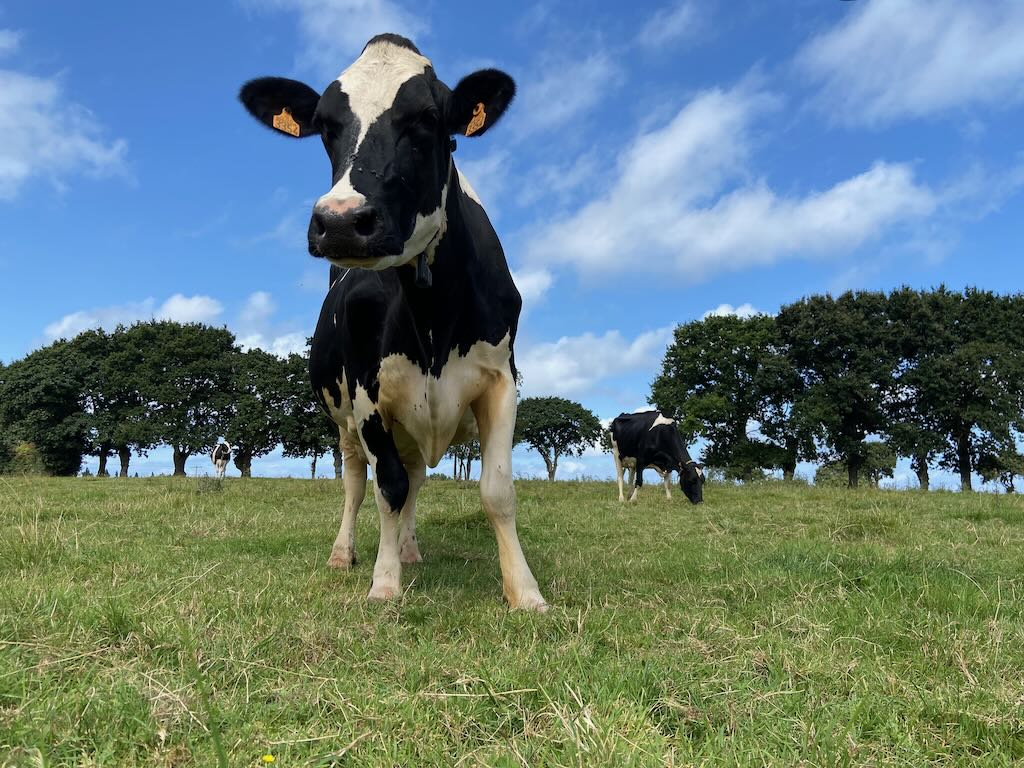
The French region of Brittany is a beautiful land from many points of view, and it doesn’t fail to surprise as a land of trails too (randonnée, in French).
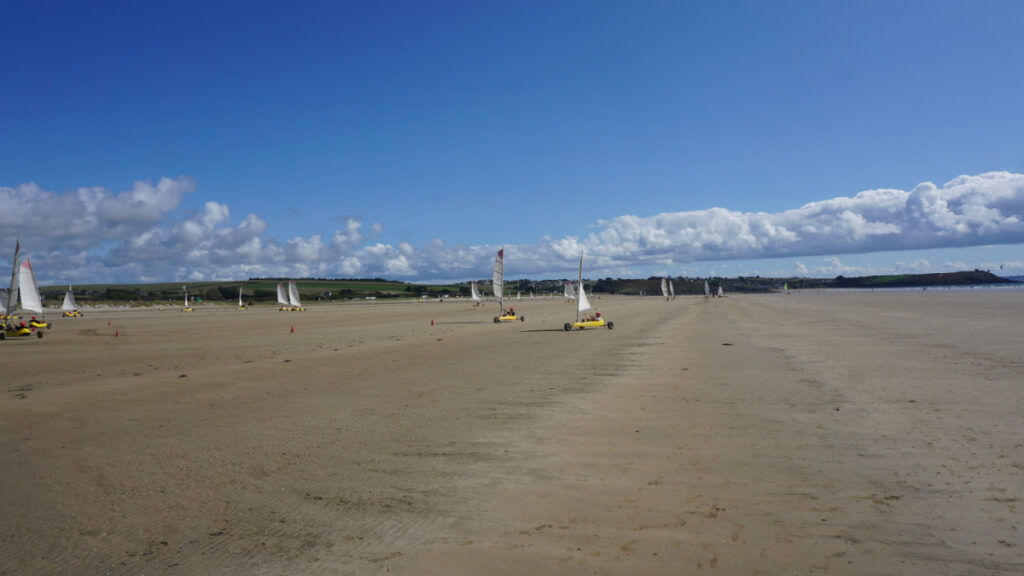
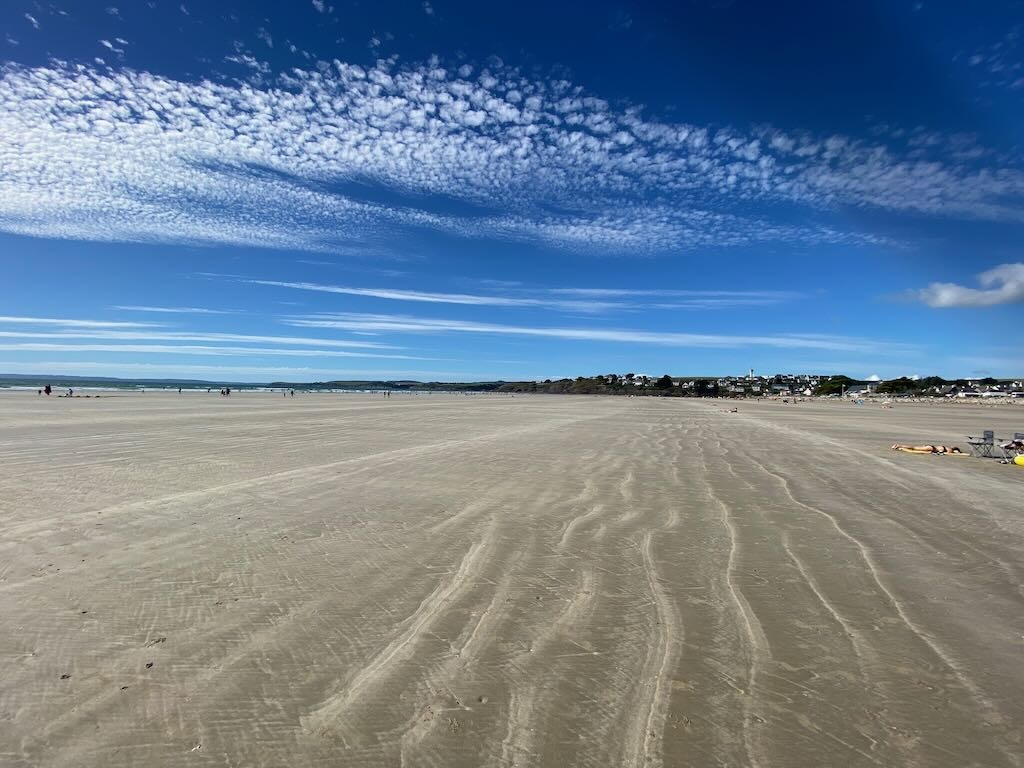
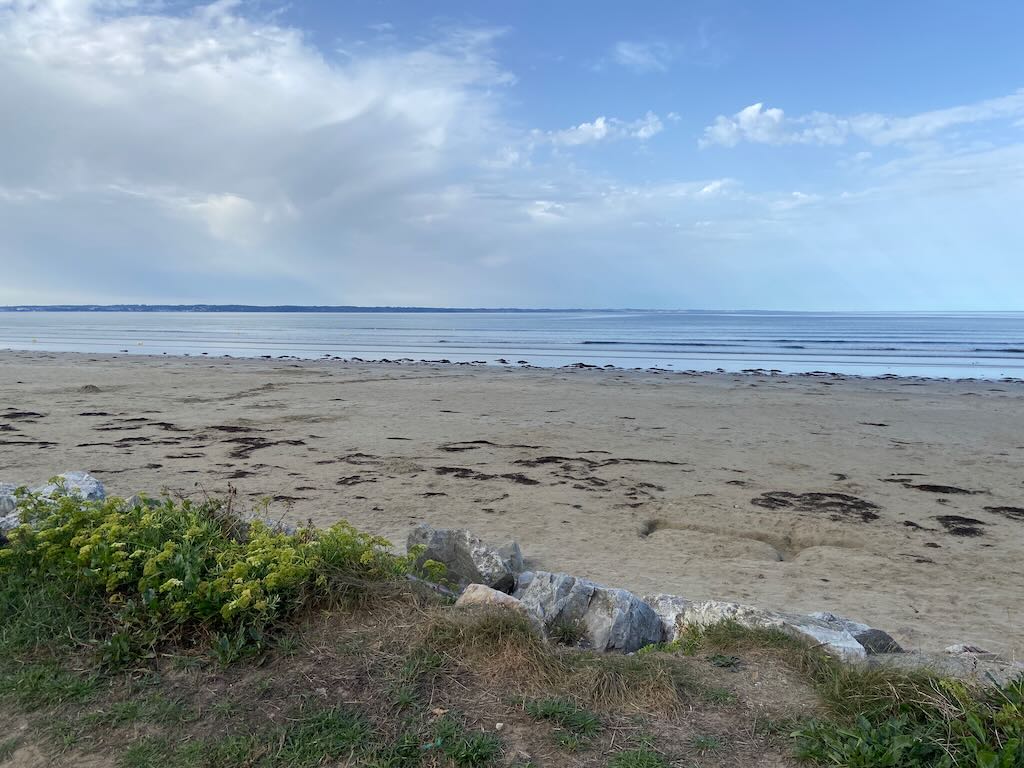
What does “Brittany – France – land of randonnée” mean? It means we’re talking about a territory packed full of trails and paths. The GR34, also known as “the customs officers’ path,” runs along the entire Breton coast, from Saint-Nazaire to Mont Saint-Michel: 2,000km of ocean and cliffs. At low tide the beaches turn into huge stretches of firm sand, perfect for a thousand activities — char à voile (land sailing), paragliding, bike rides, kite flying, shellfish gathering… shellfish you’ll then find in every market and every restaurant. The famous oysters, scallops, mussels and razor clams are a constant on the Breton table, along with salted butter, crêpes, and caramel — also salted. The typical drink is cider.
The coast and the outdoors
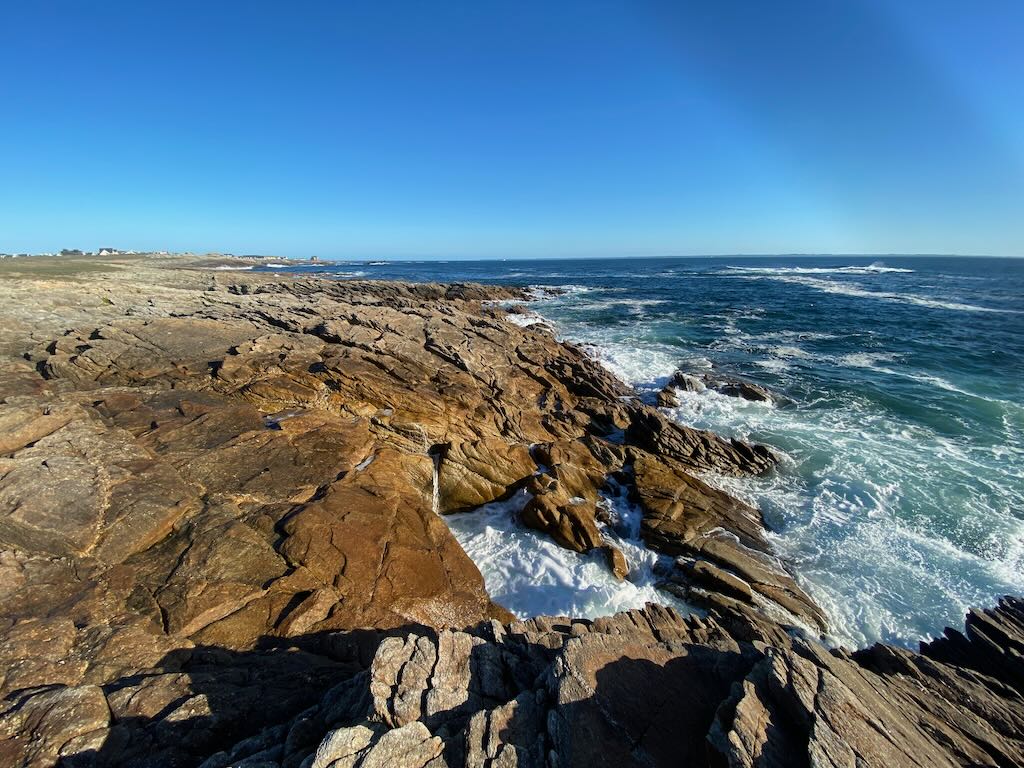
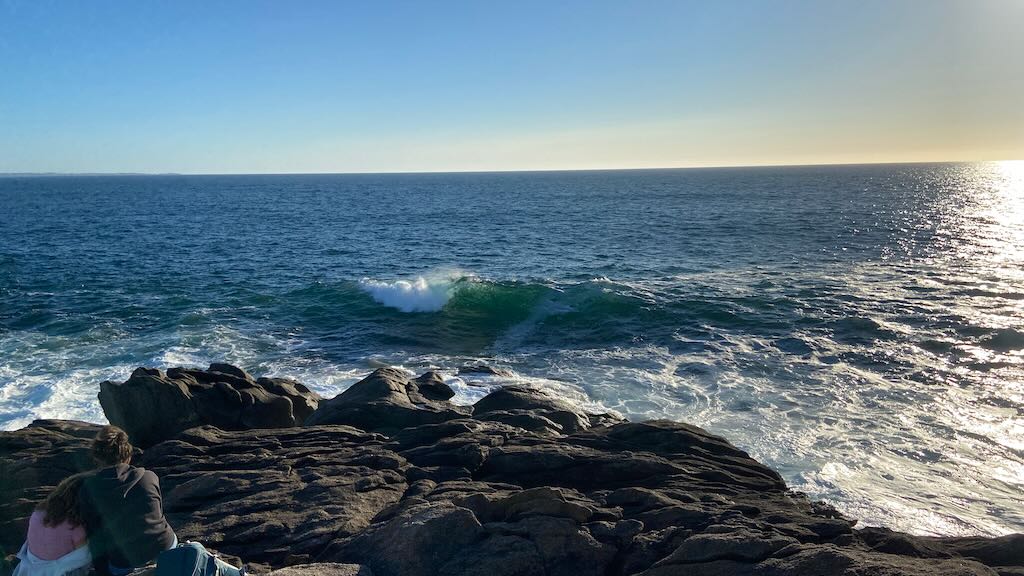
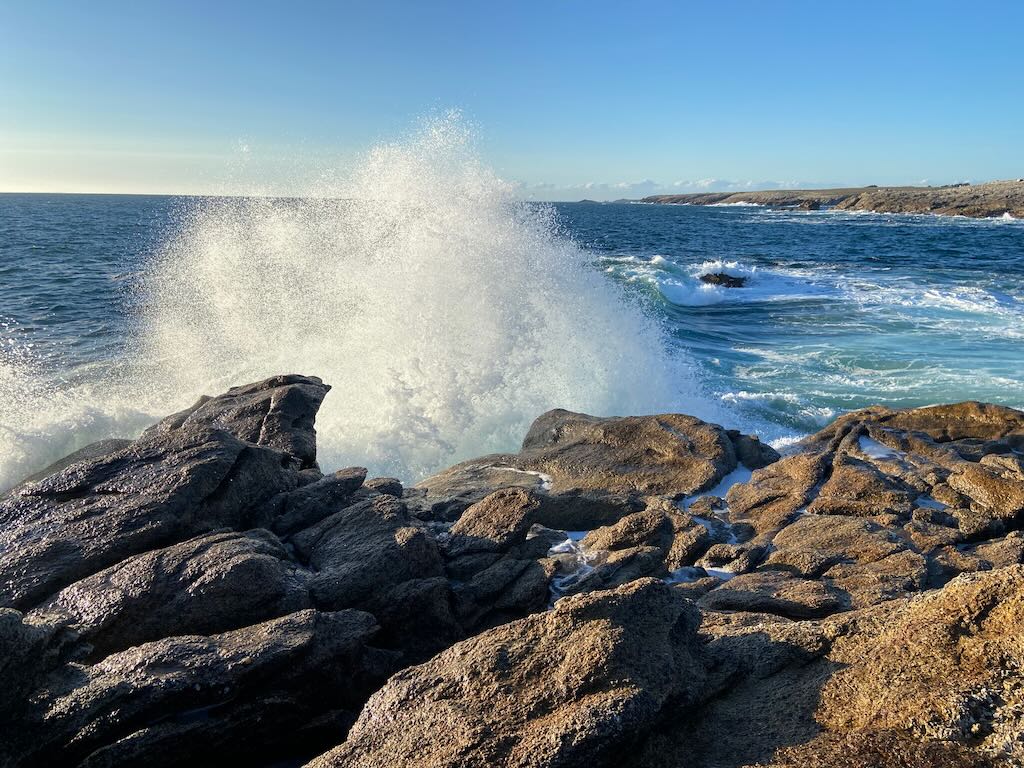
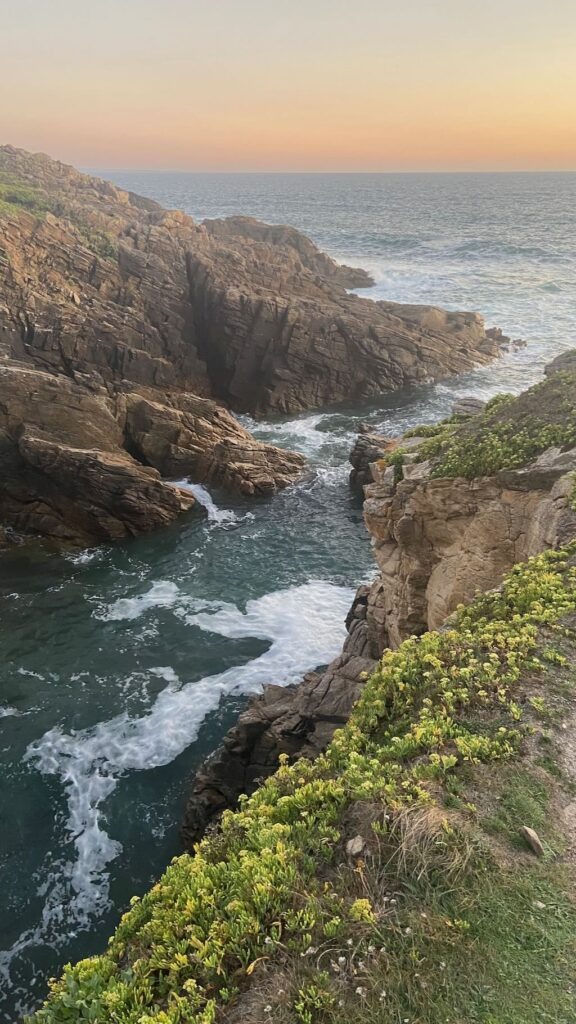
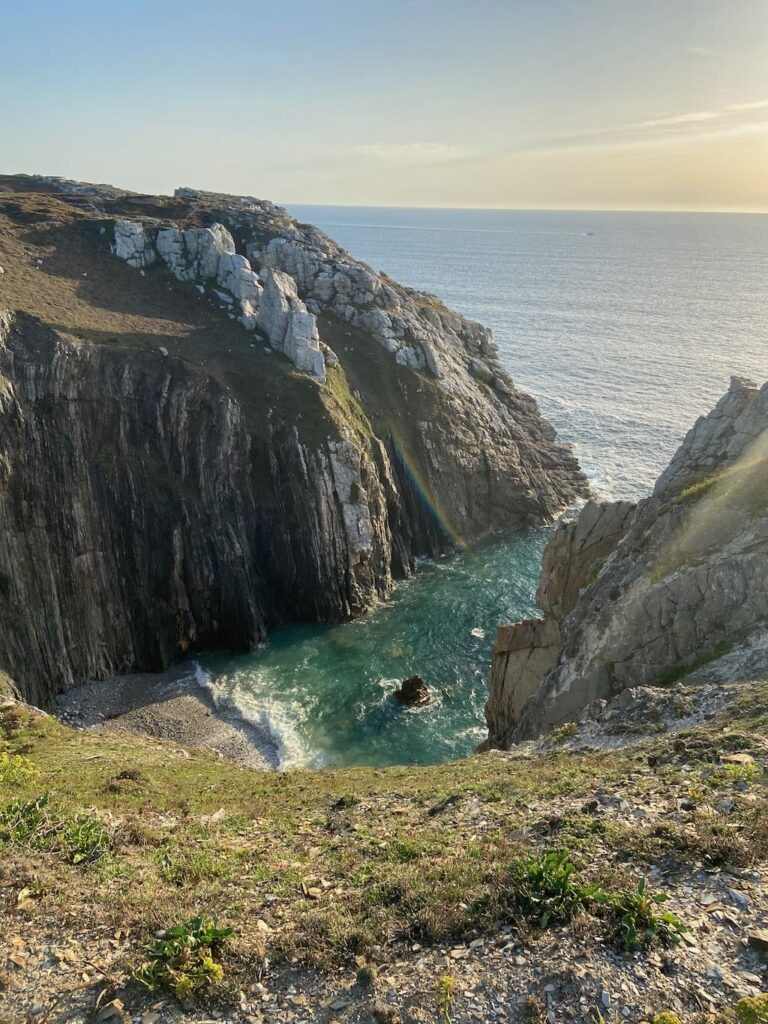
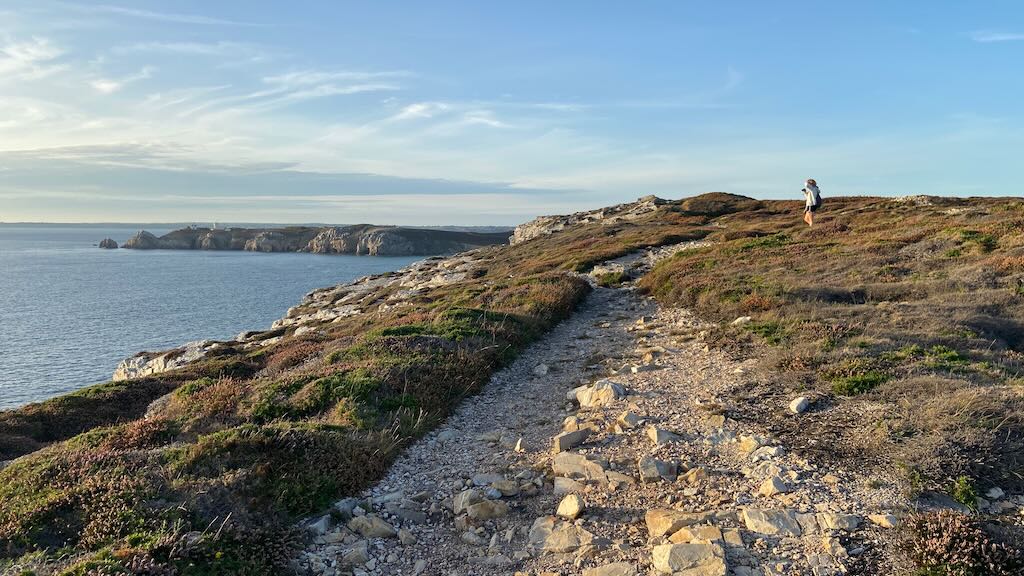
The official site describes it as the star of the Grande Randonnée routes — a path steeped in history, salt, and sea spray, and a favorite among the French. For over 2,000km, from Mont-Saint-Michel to the Saint-Nazaire bridge, it winds along the Breton coastline, marked in red and white like a trail of breadcrumbs, offering open-sea air and unmissable ocean views to anyone who sets out on it.
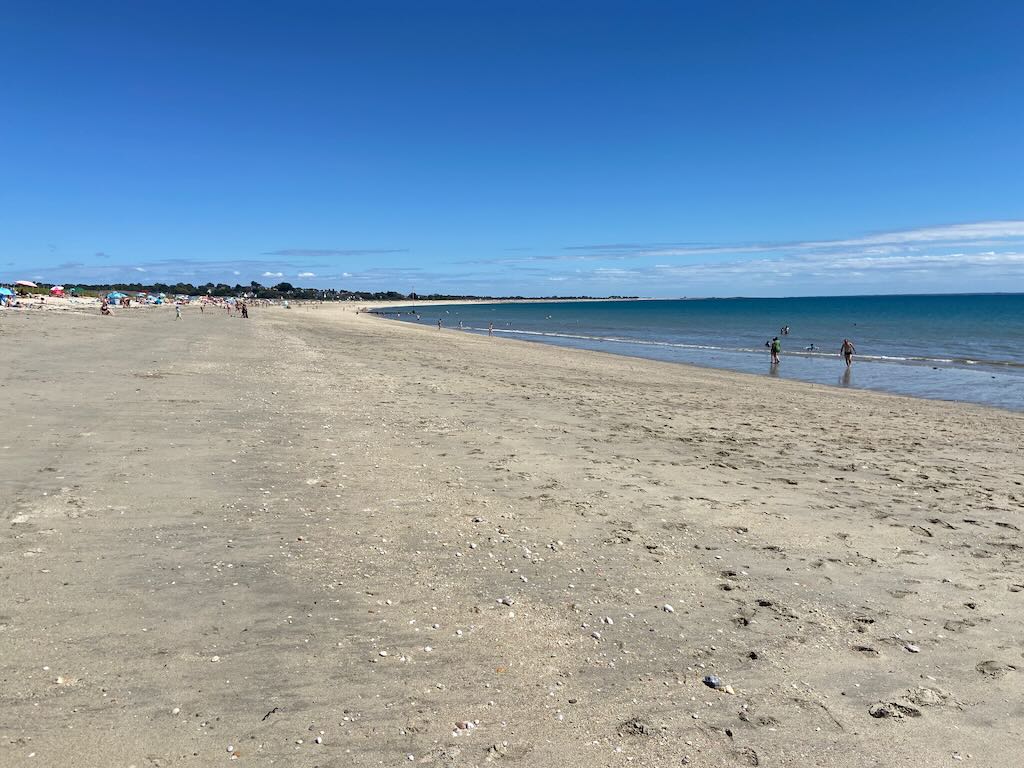
The stretches I walked are technically easy but visually very striking, and for that reason fairly crowded — though never as crowded as Italian beaches. The best season for weather (July, August and September) is naturally also the busiest; but even then rain is fairly frequent, and proper gear is essential, since, as locals say, Brittany is the land of “four seasons in one day.”
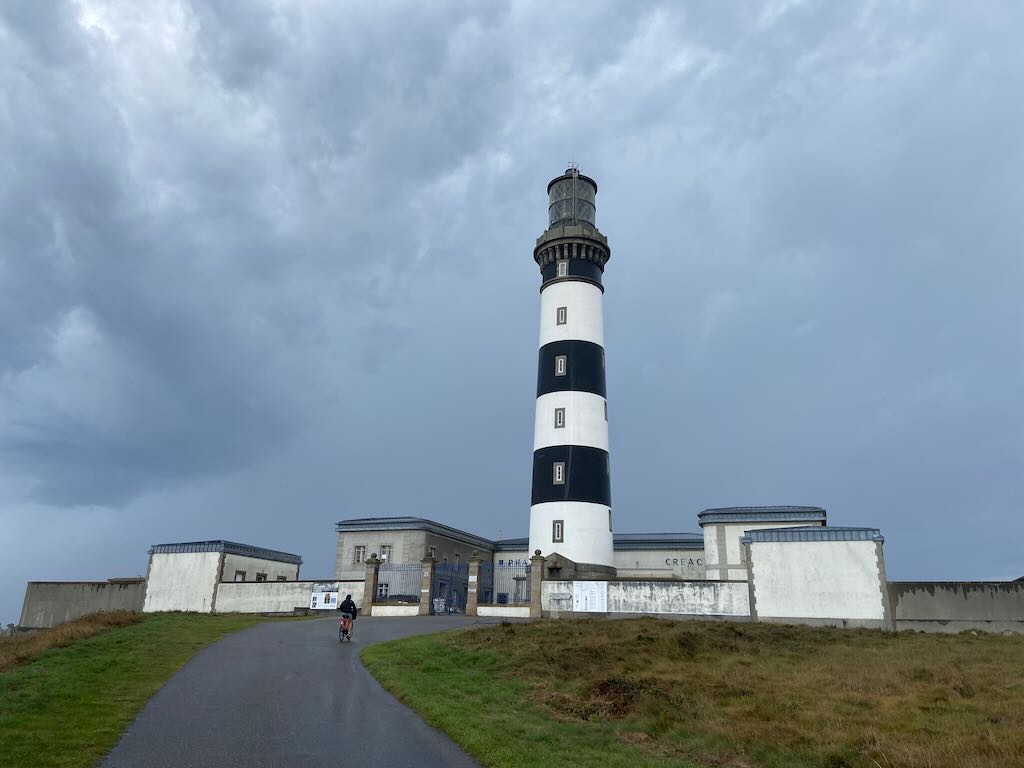
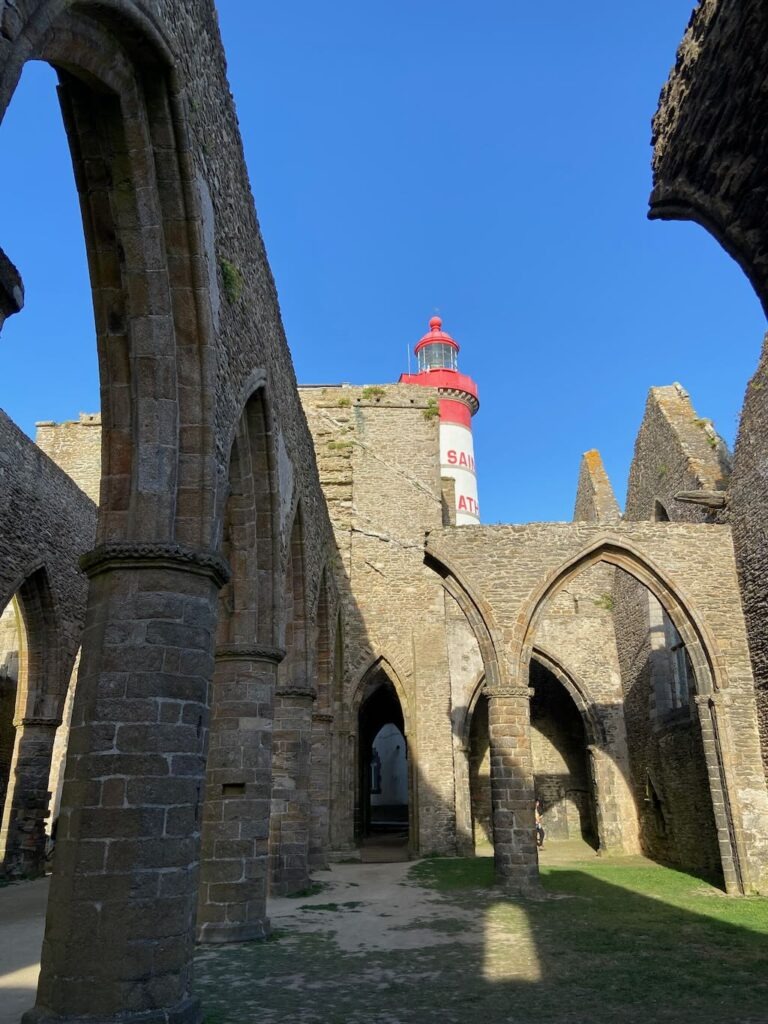
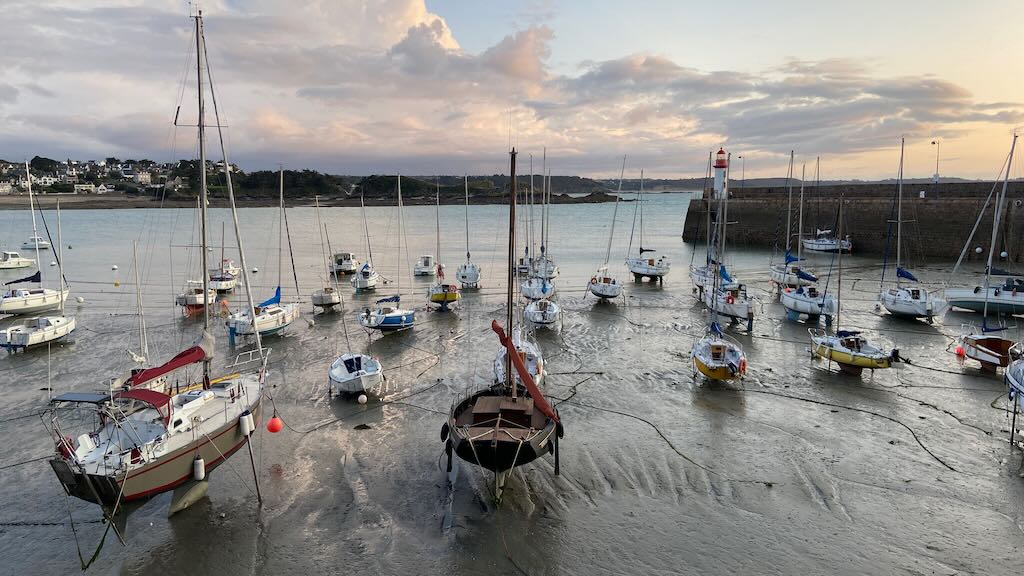
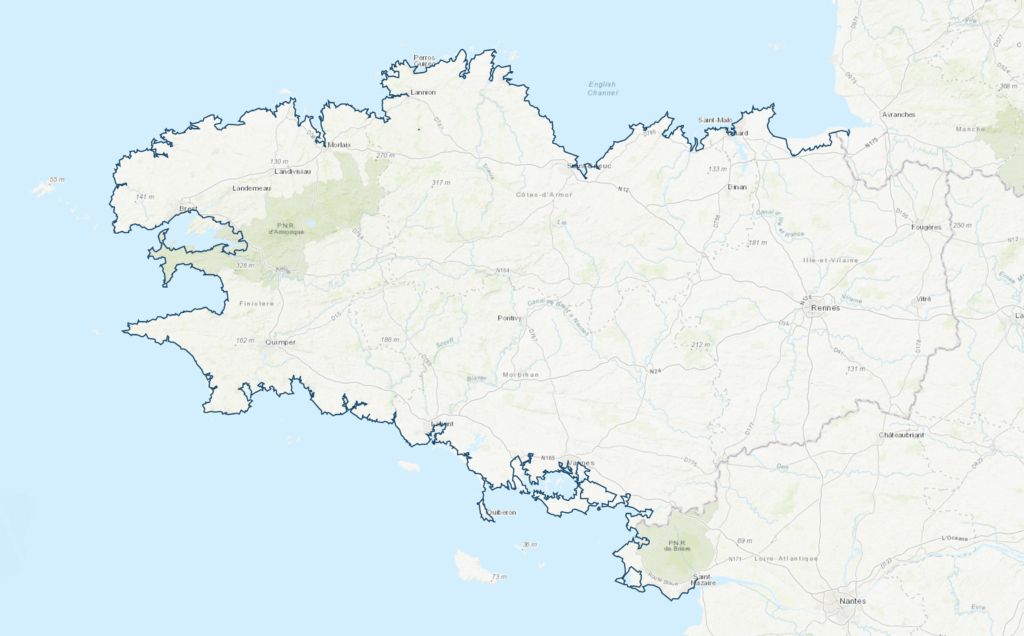
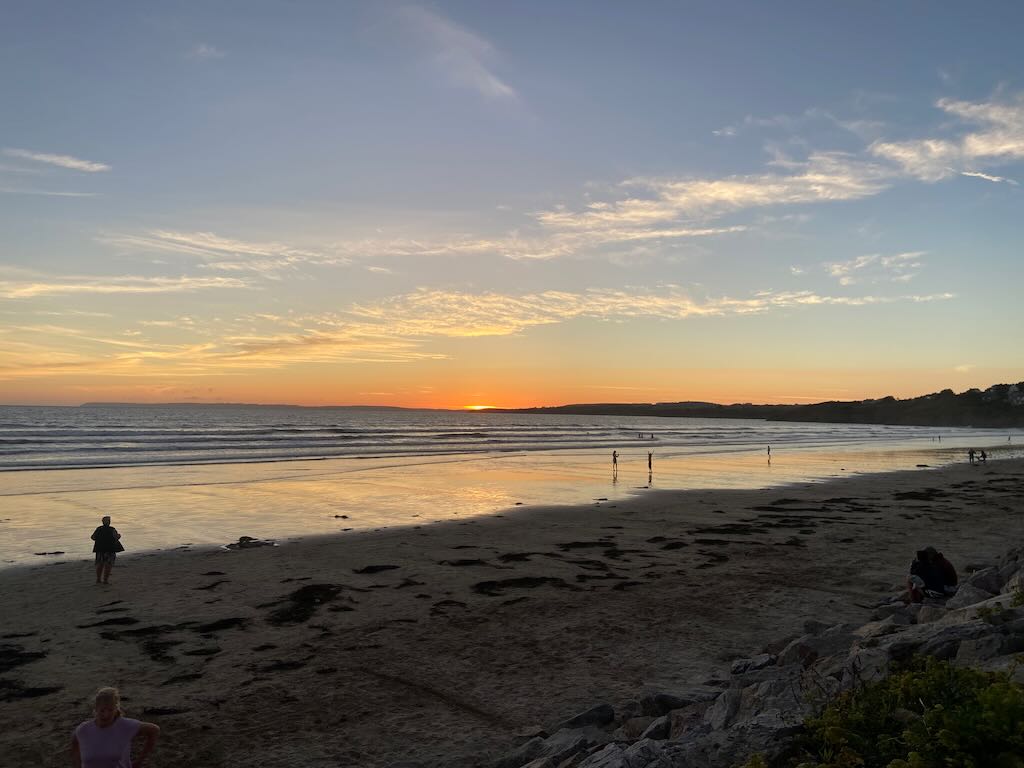
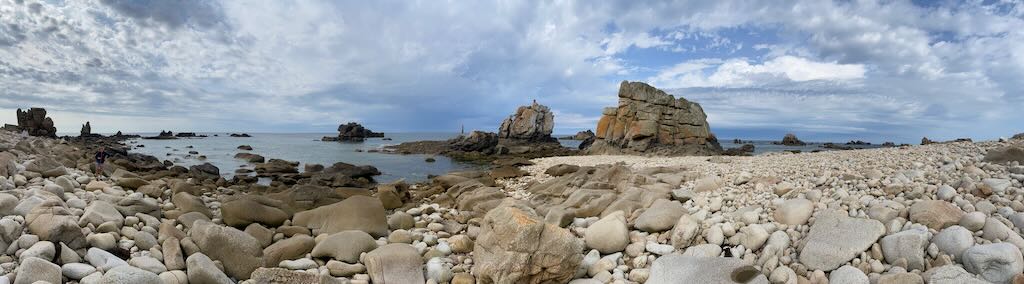
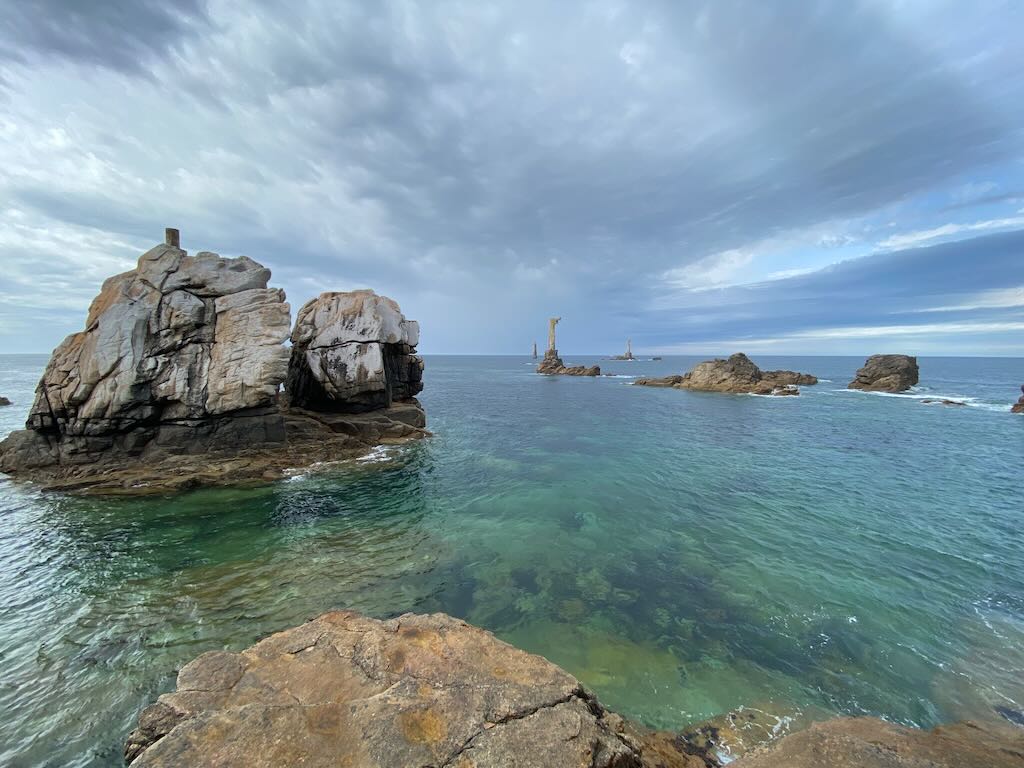
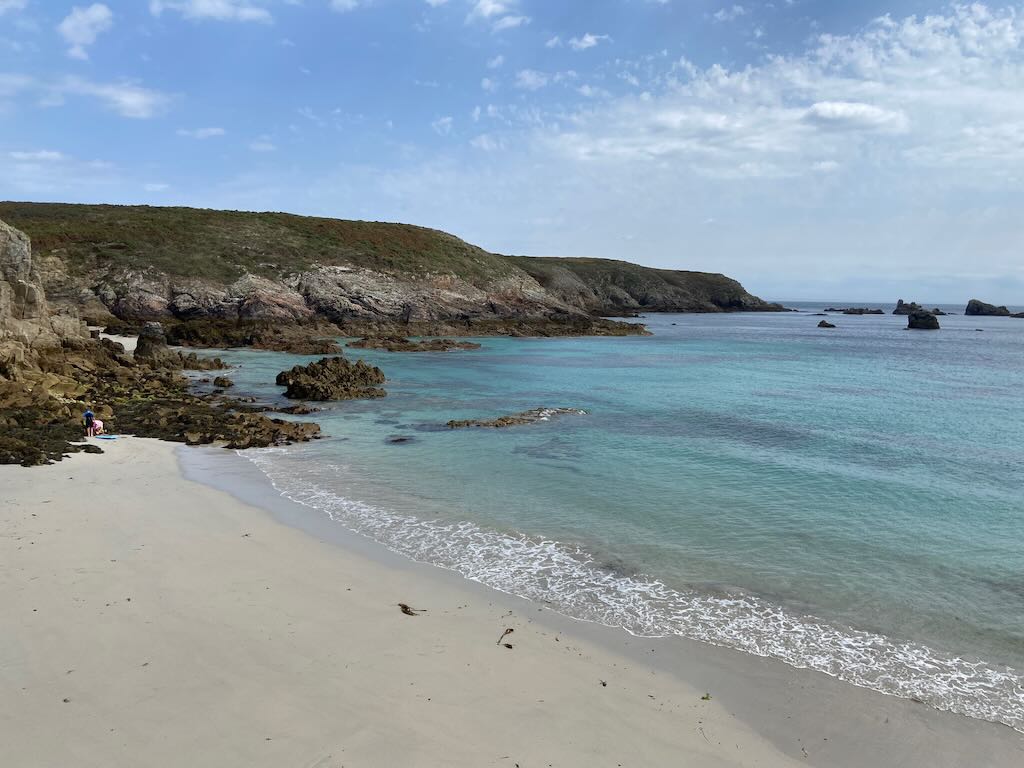
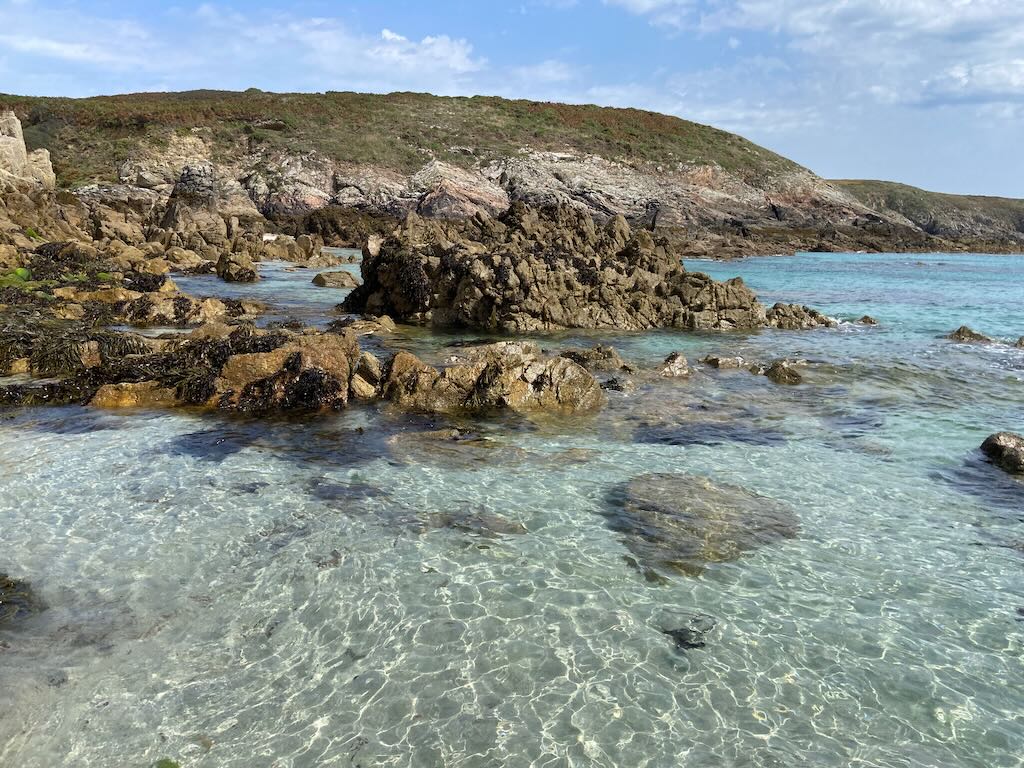
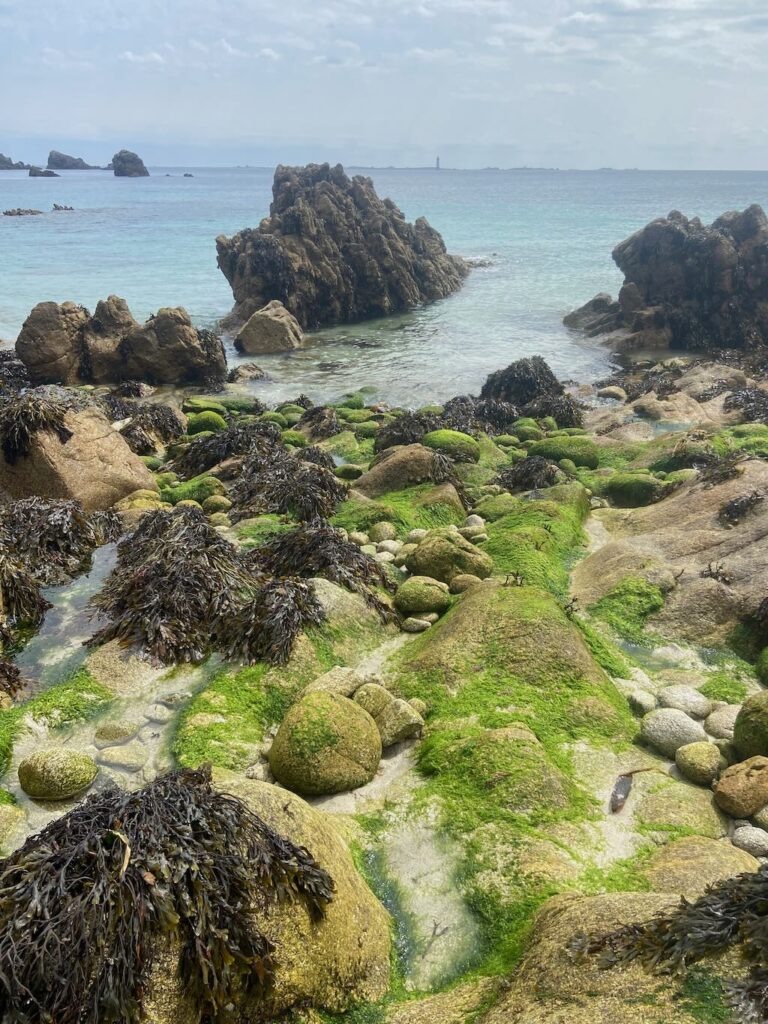
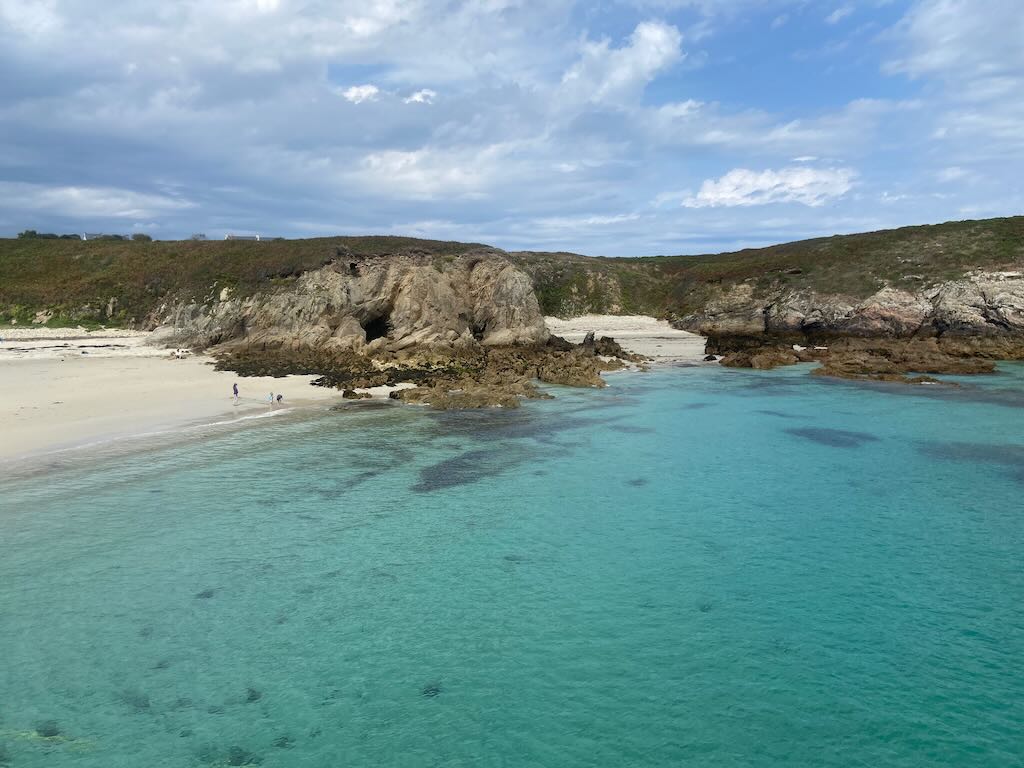
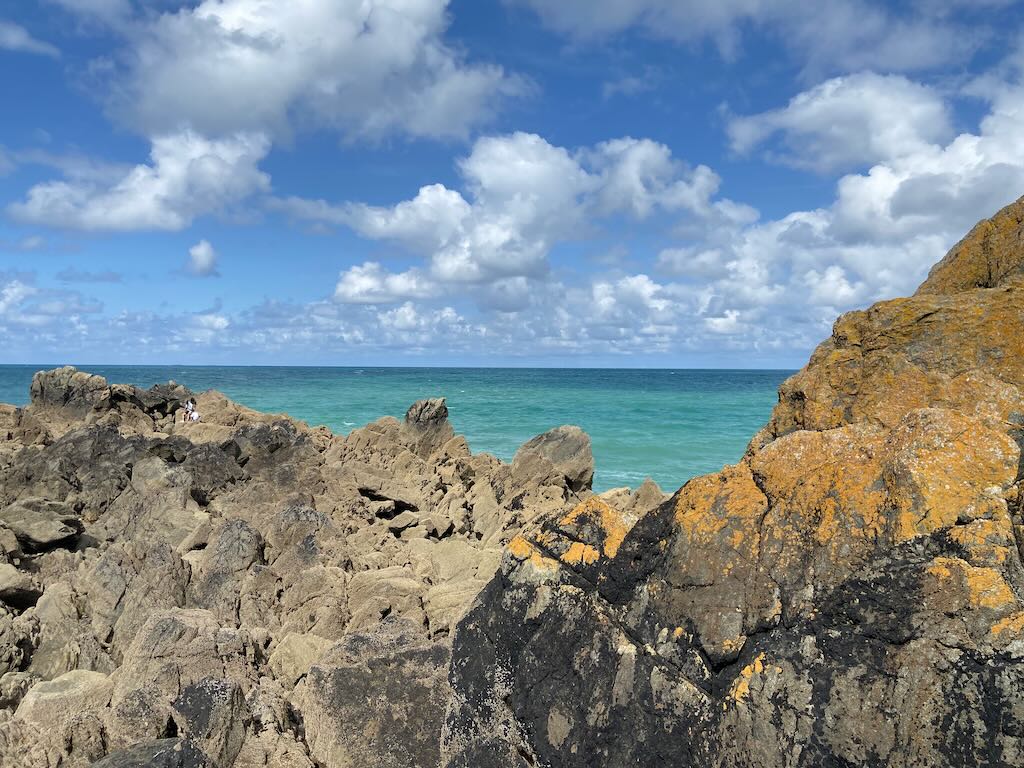
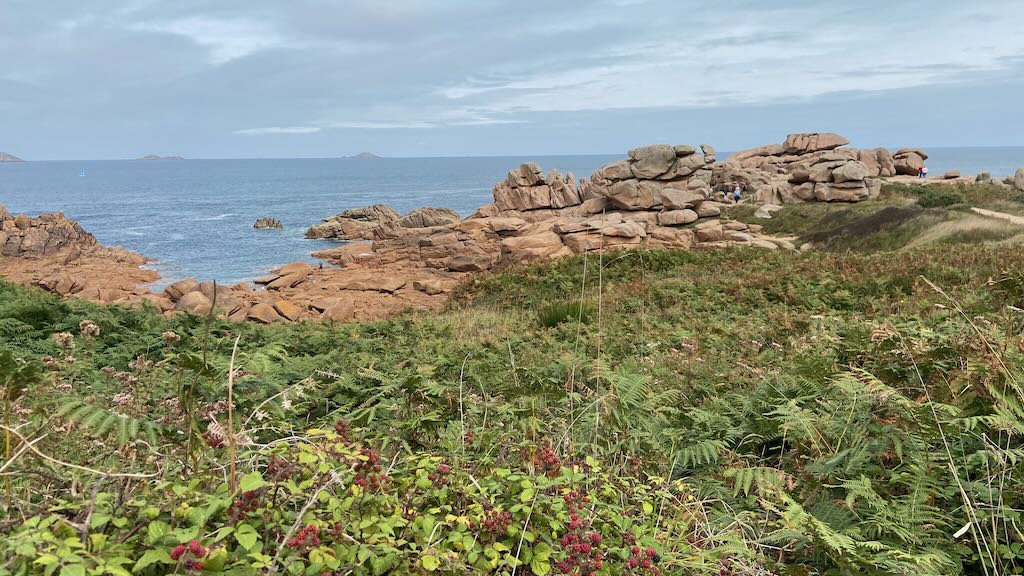
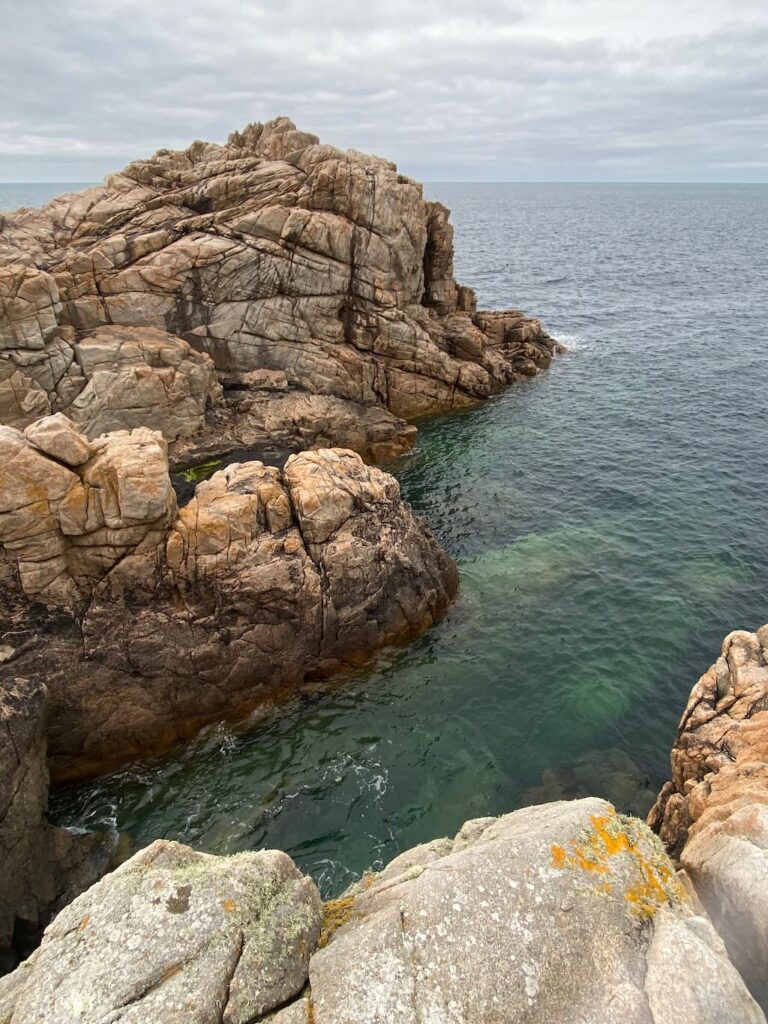
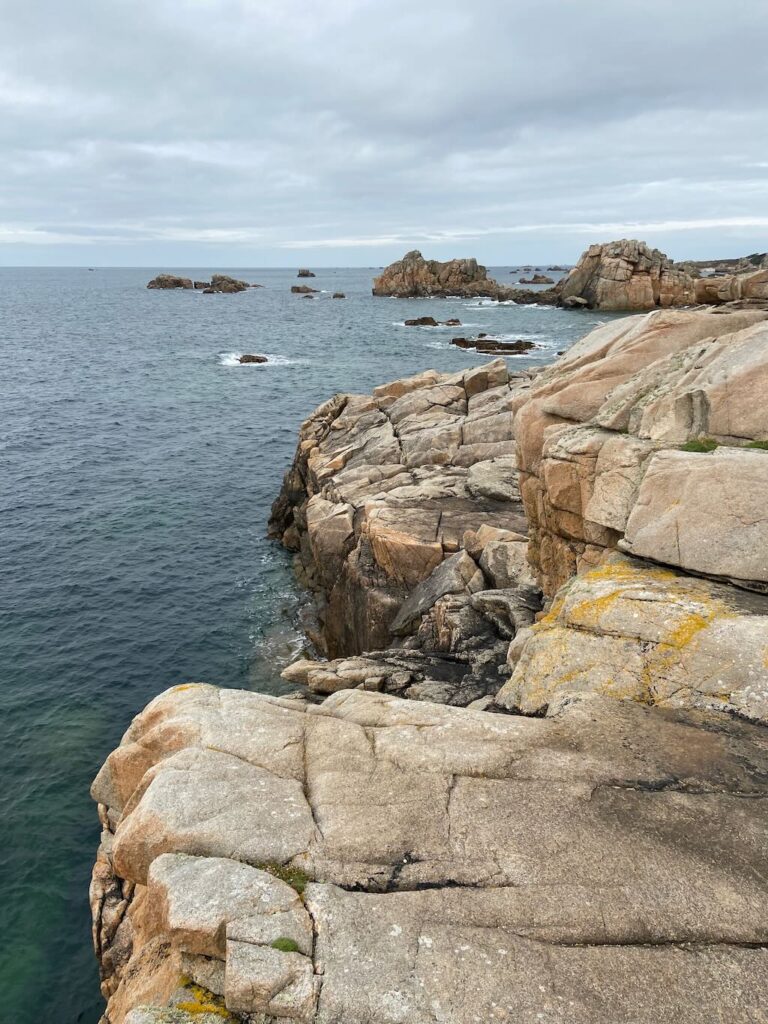
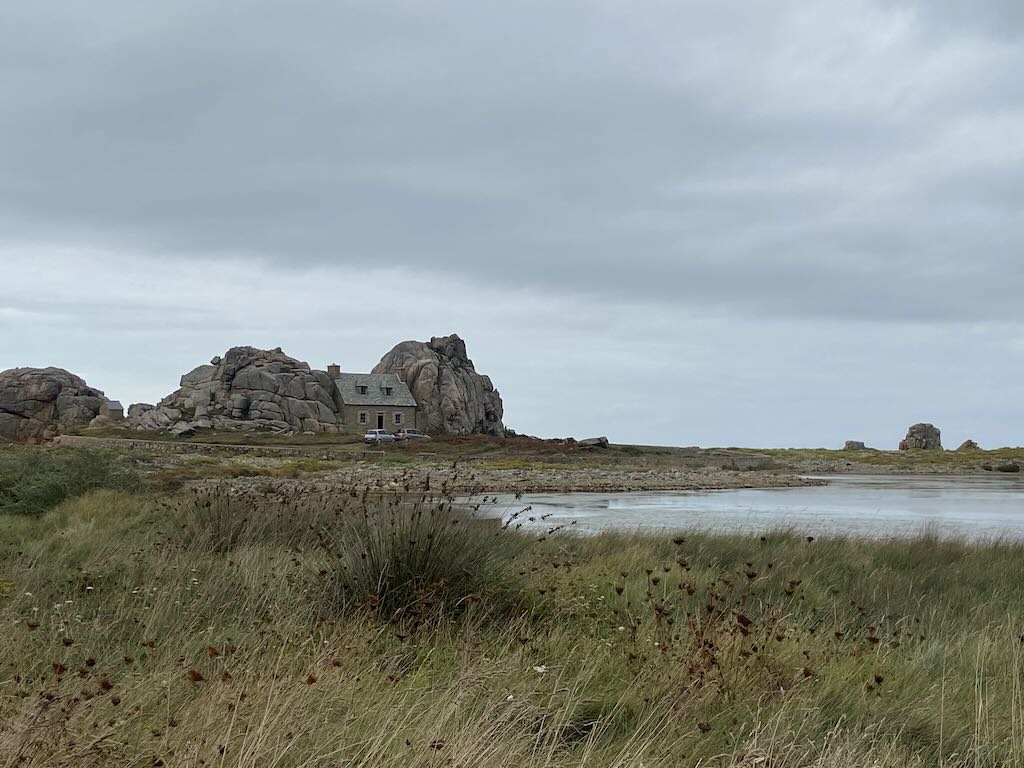
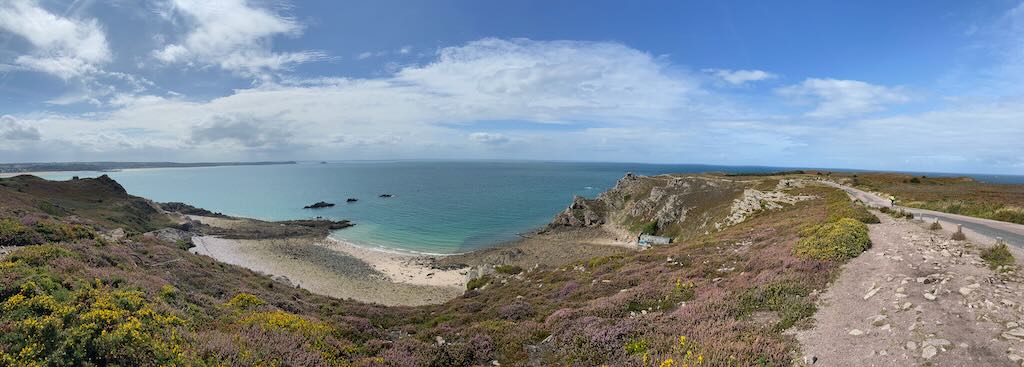
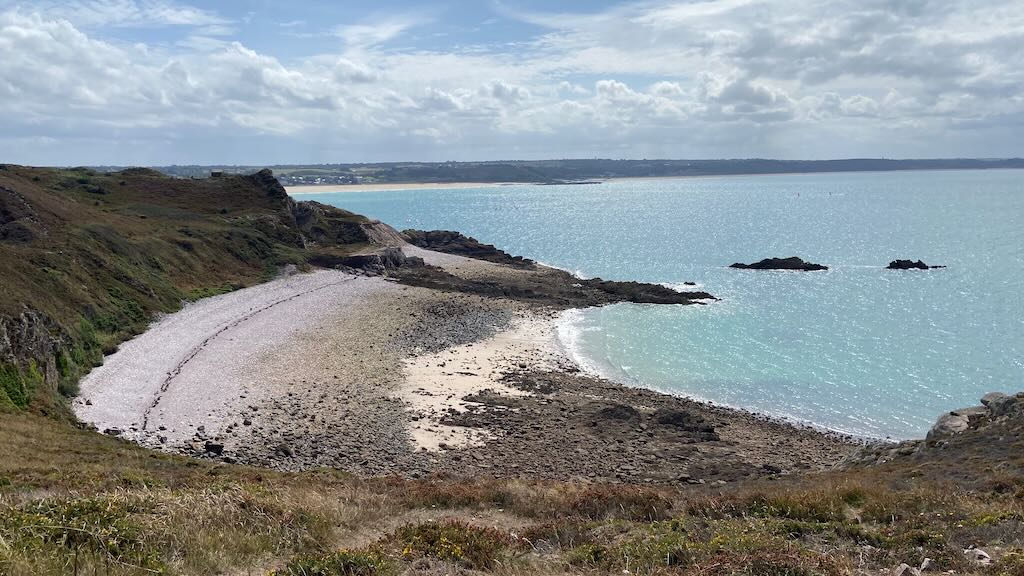
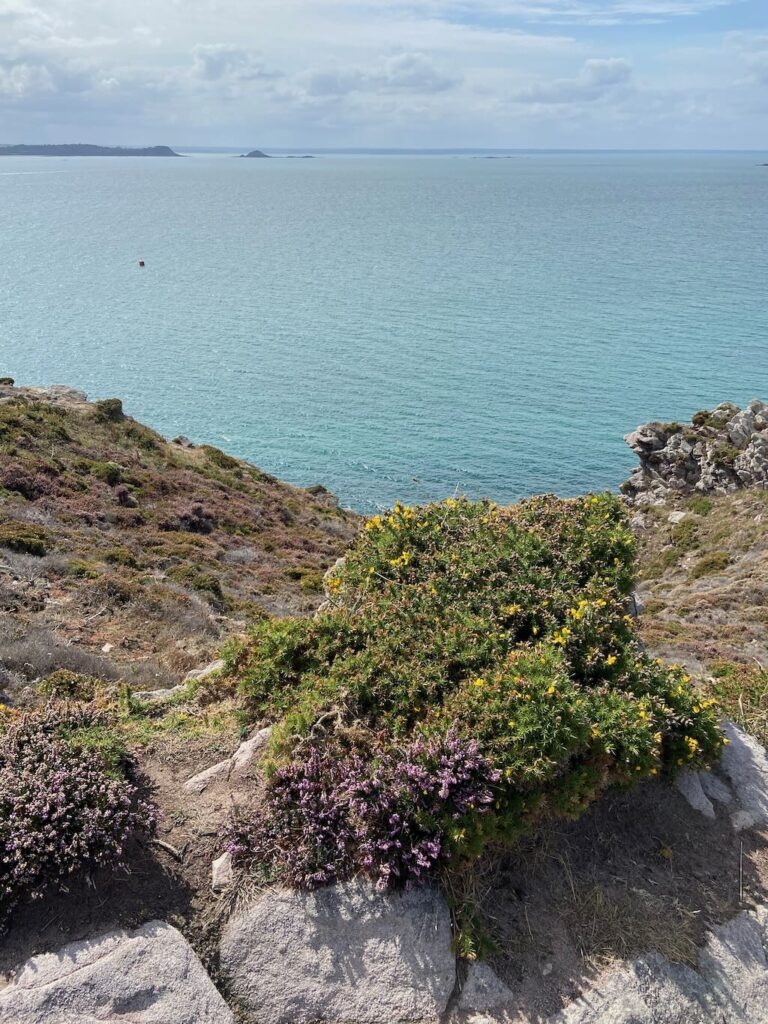
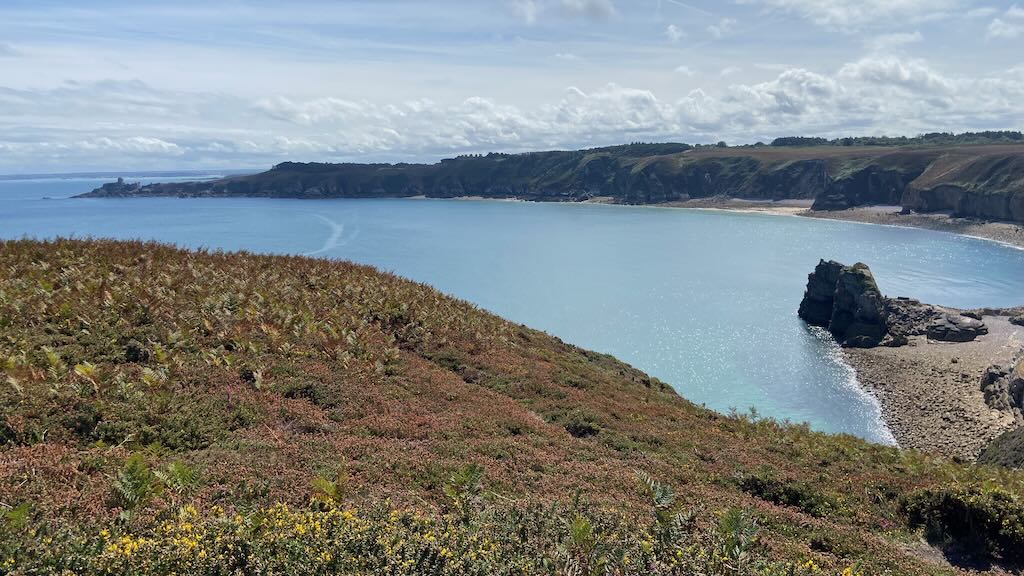
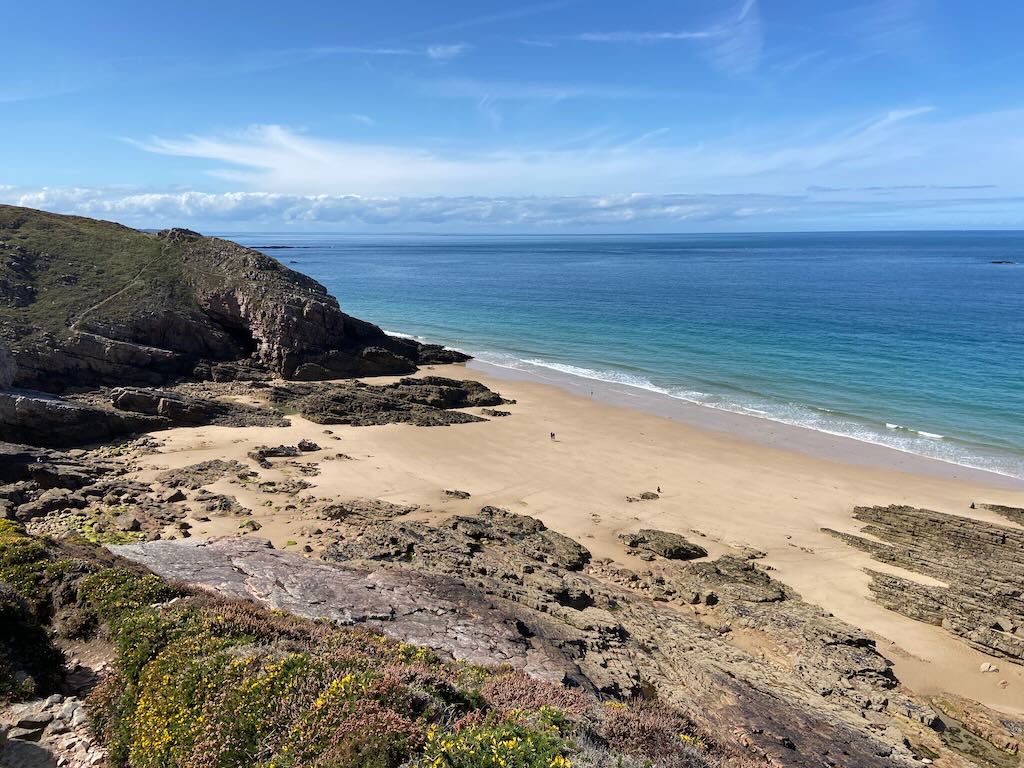
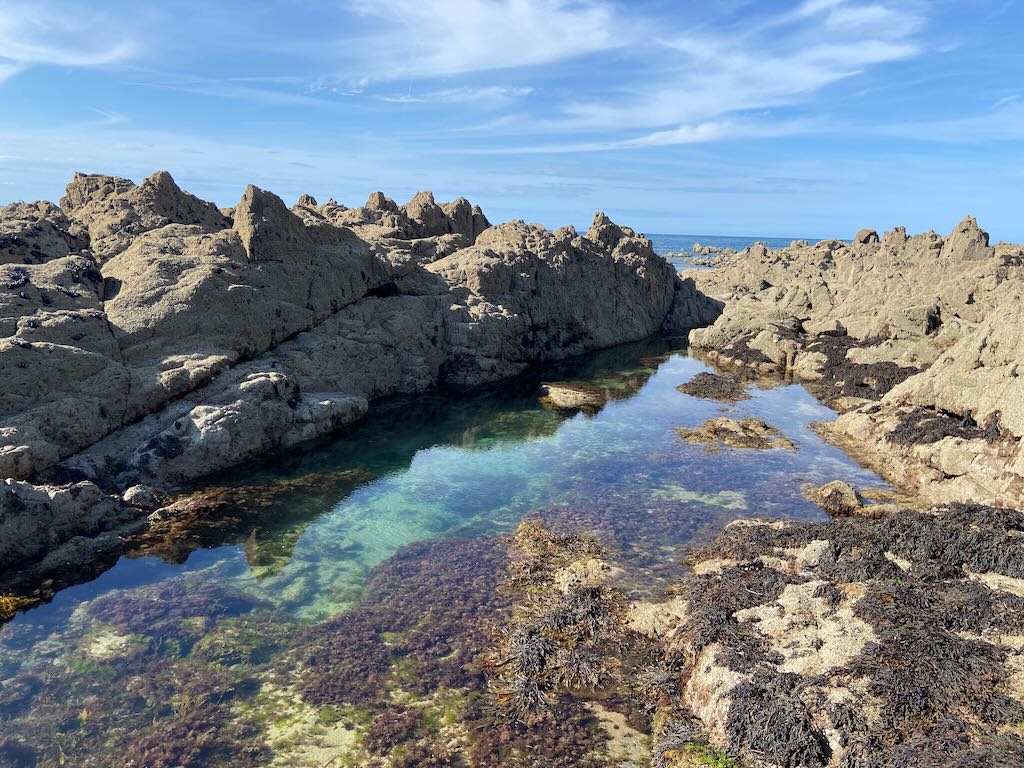
My route touched the Gulf of Morbihan, the Crozon peninsula, the island of Ouessant, the Pink Granite Coast, Cap d’Erquy and Cap Fréhel. The lighthouses and the huge tides (up to a 10m difference between high and low!) that transform the look of the beaches within a few hours are other features that make these coasts unique and striking places.
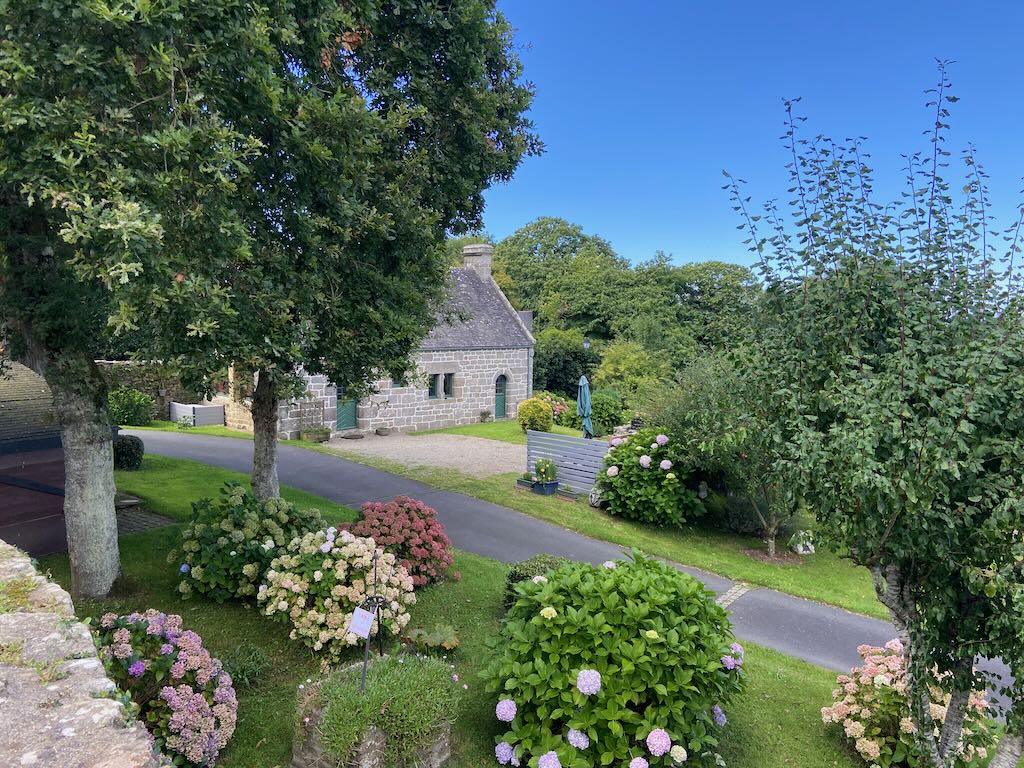
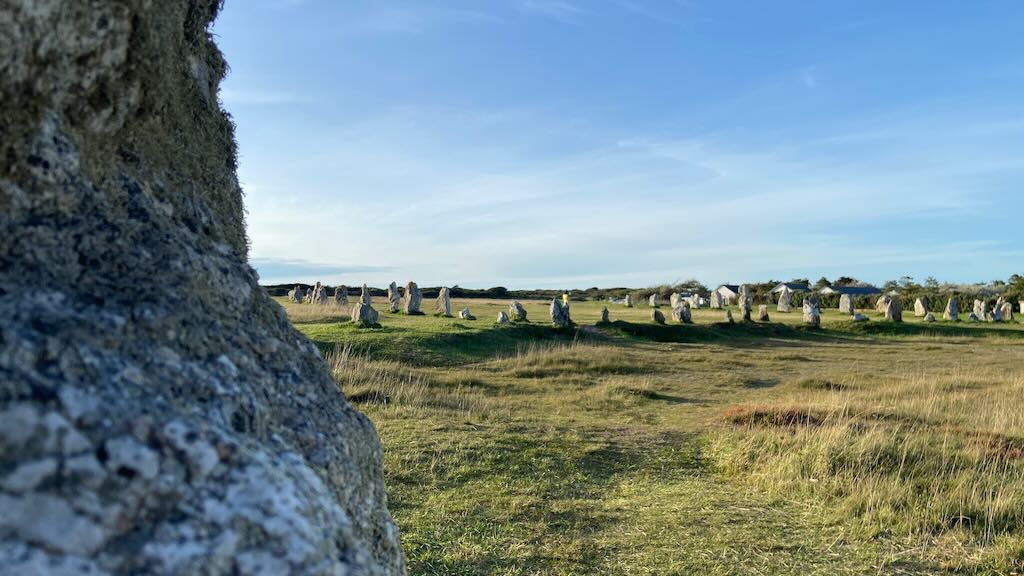
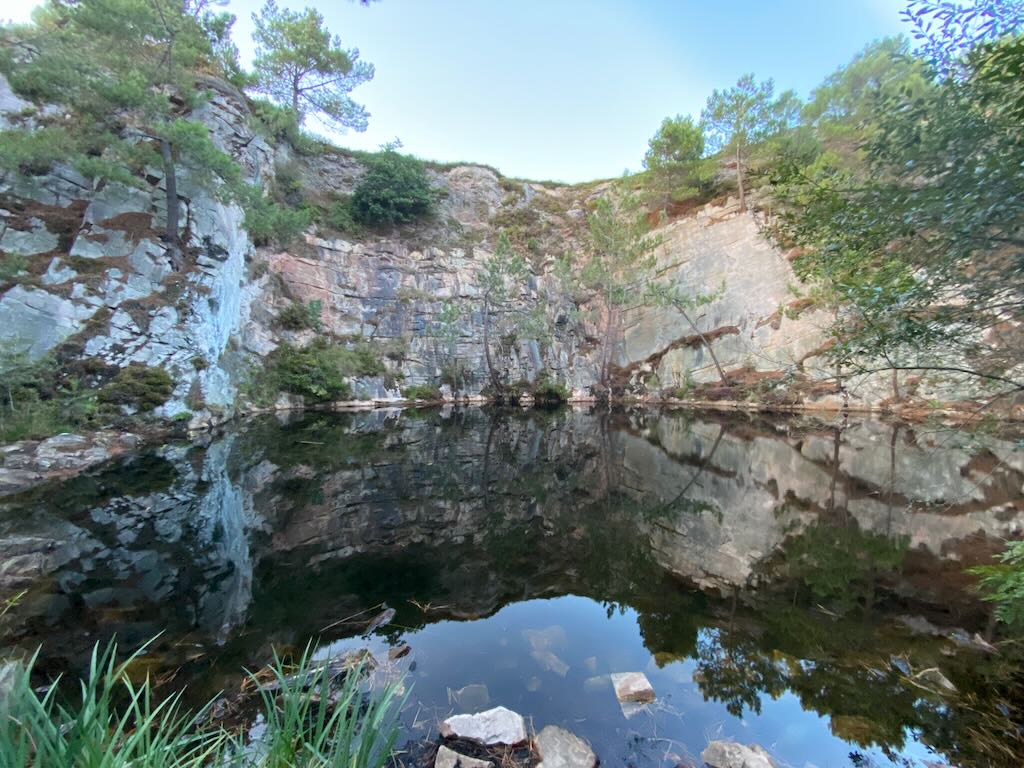
Below is a photo gallery to give an idea of what I’m talking about. More info on the official Brittany tourism site and the French randonnée site. History and general information on Brittany is available on Wikipedia.
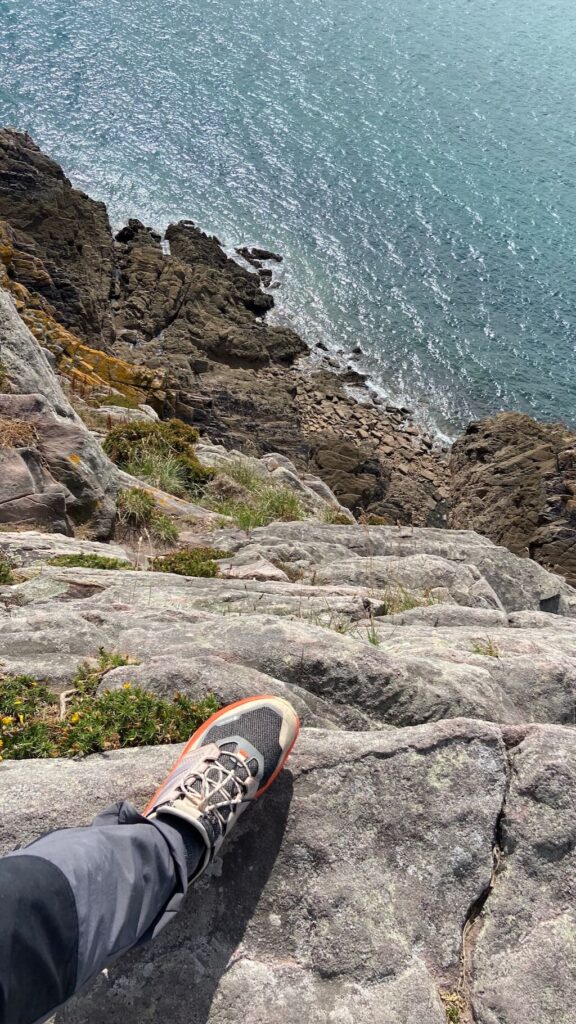
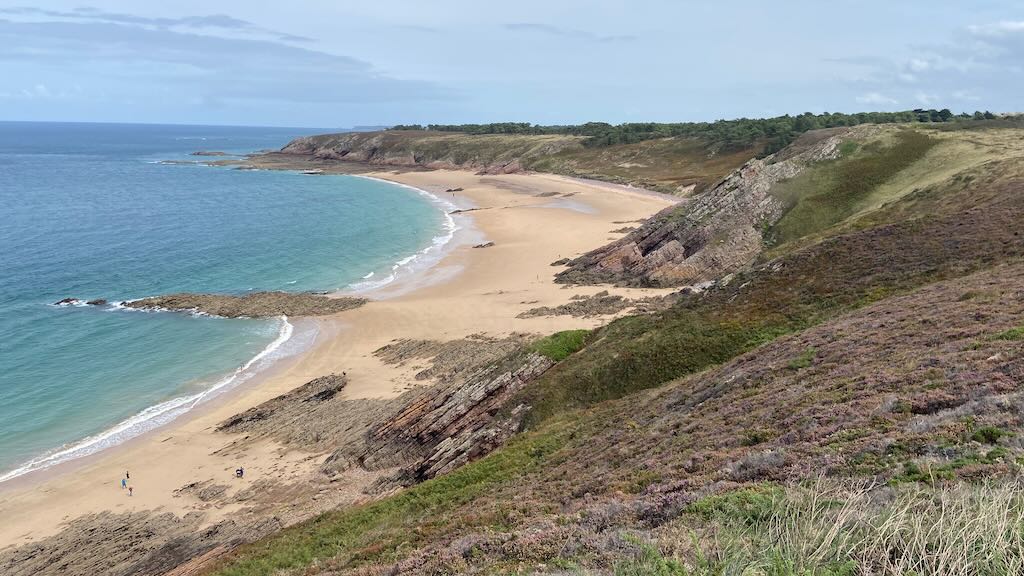
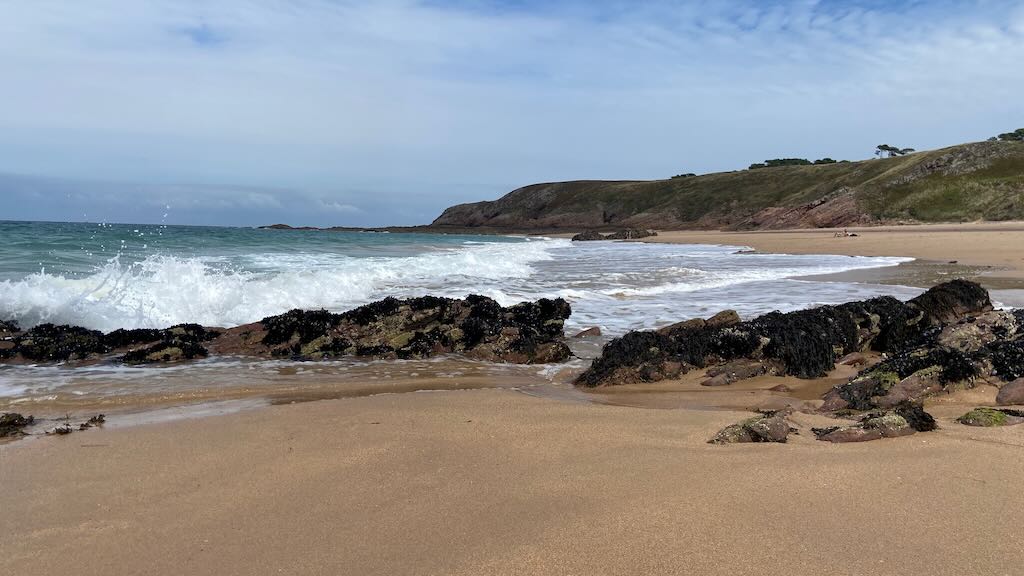
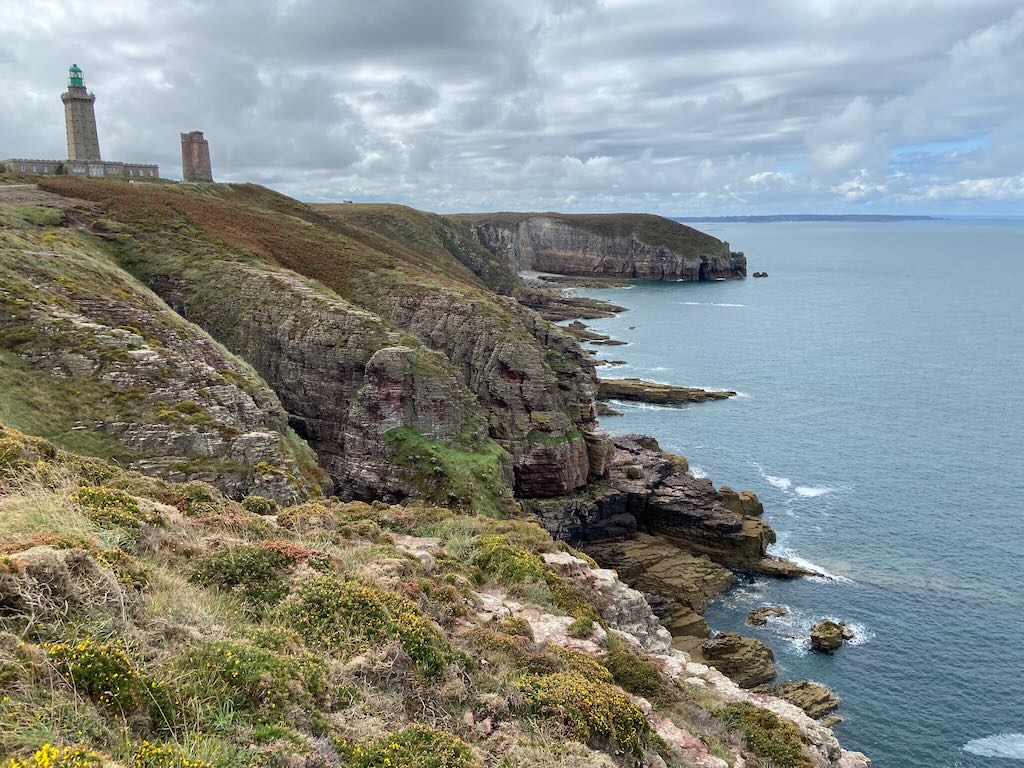
The villages and the inland areas
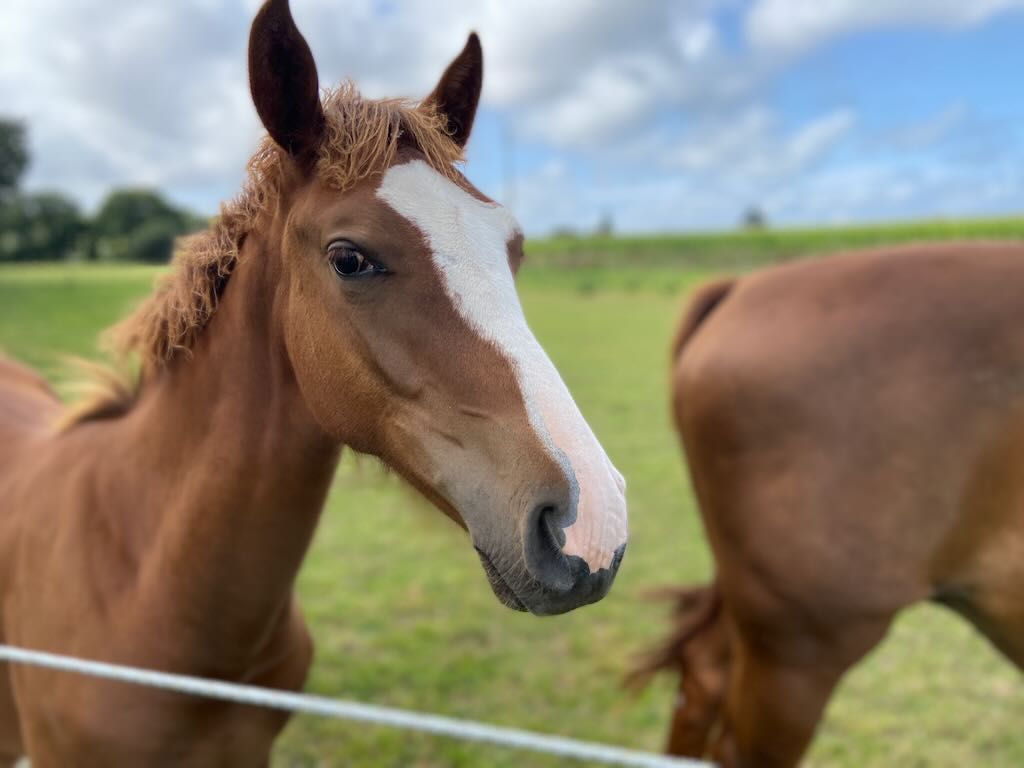
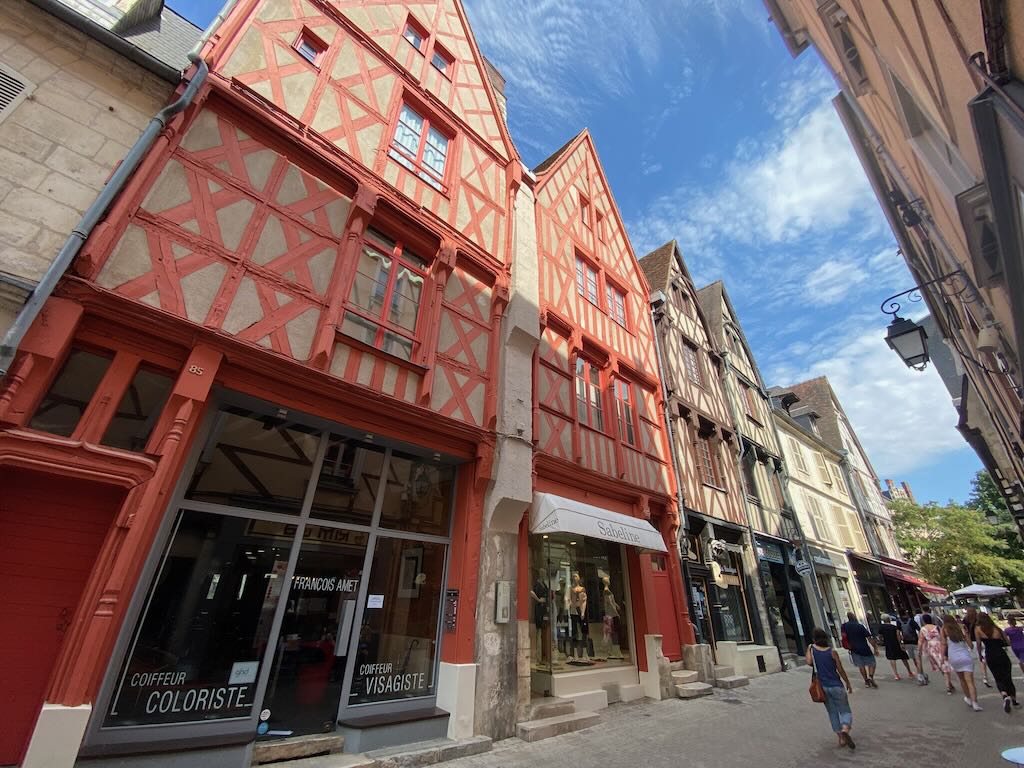
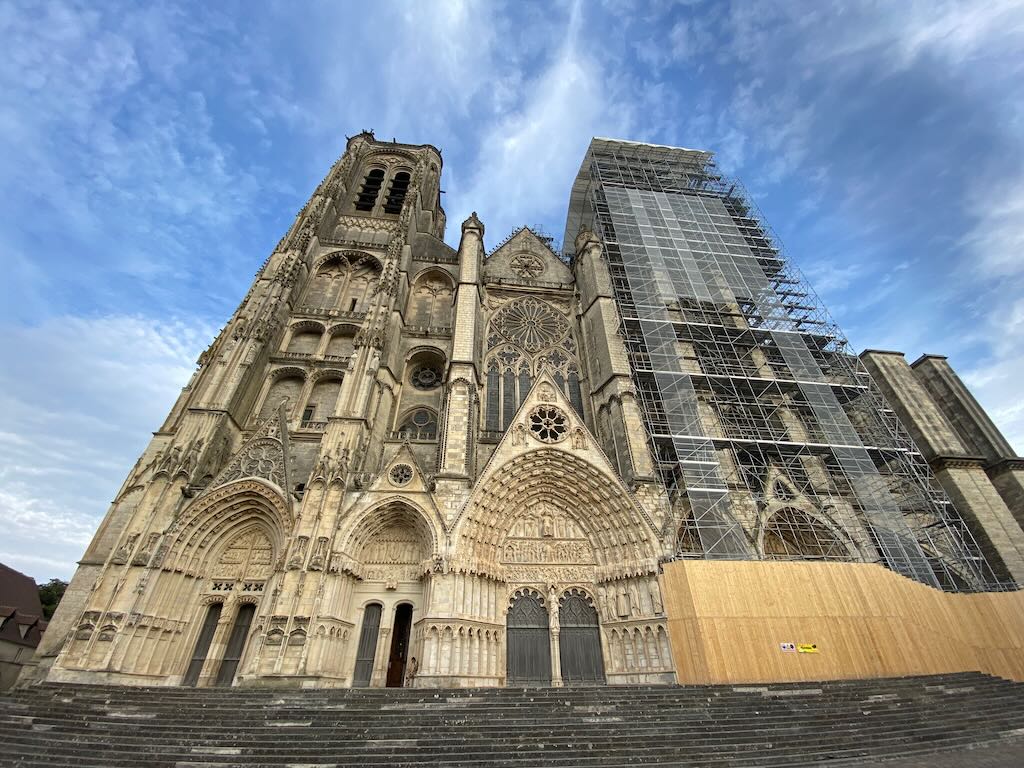
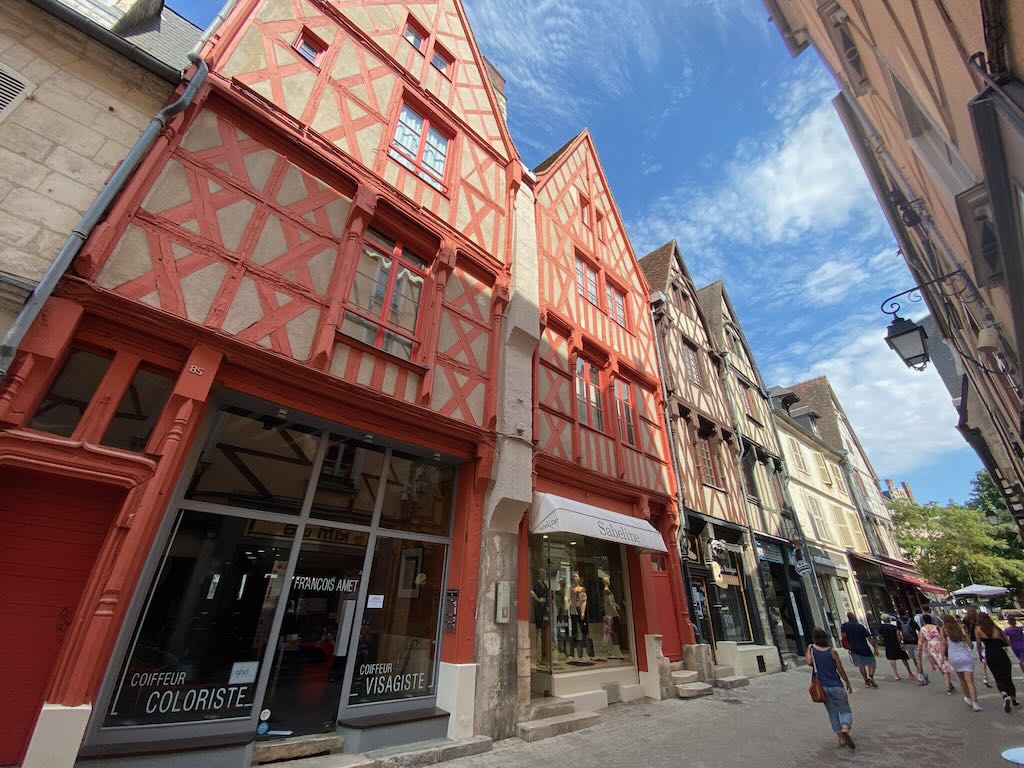
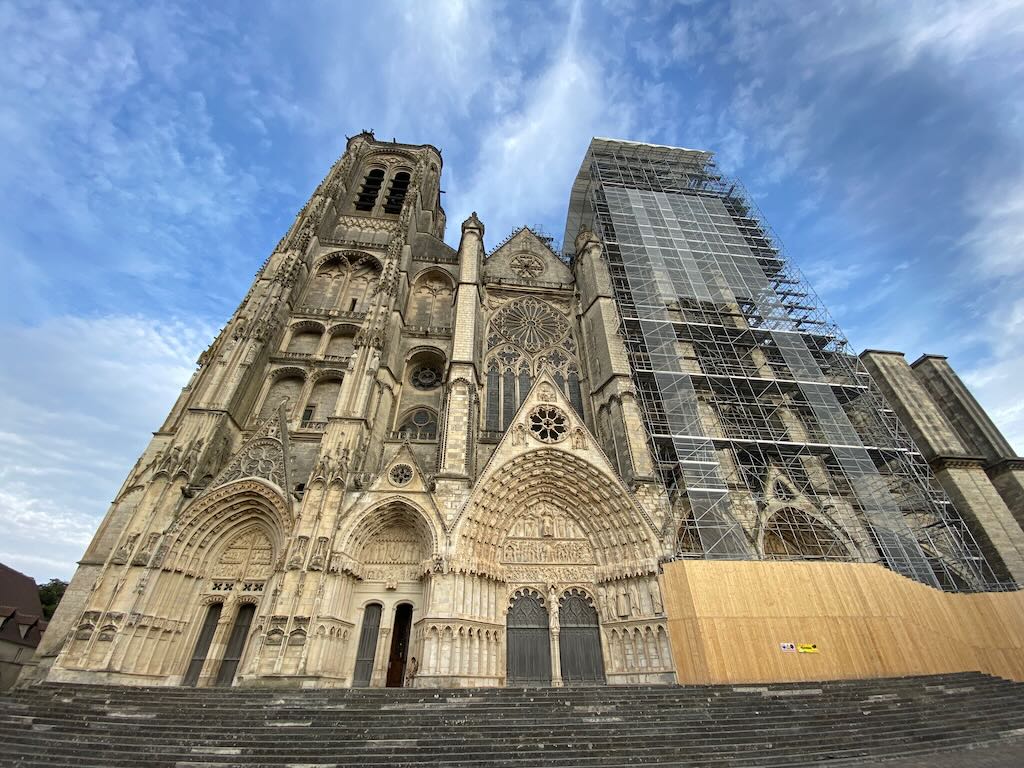
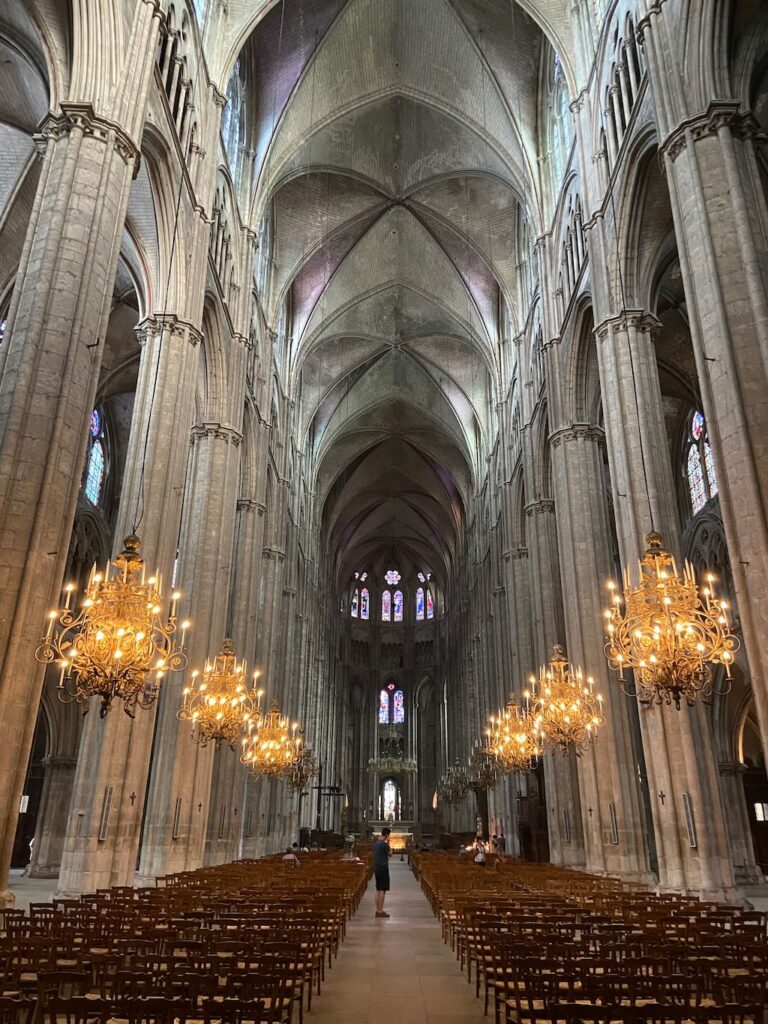
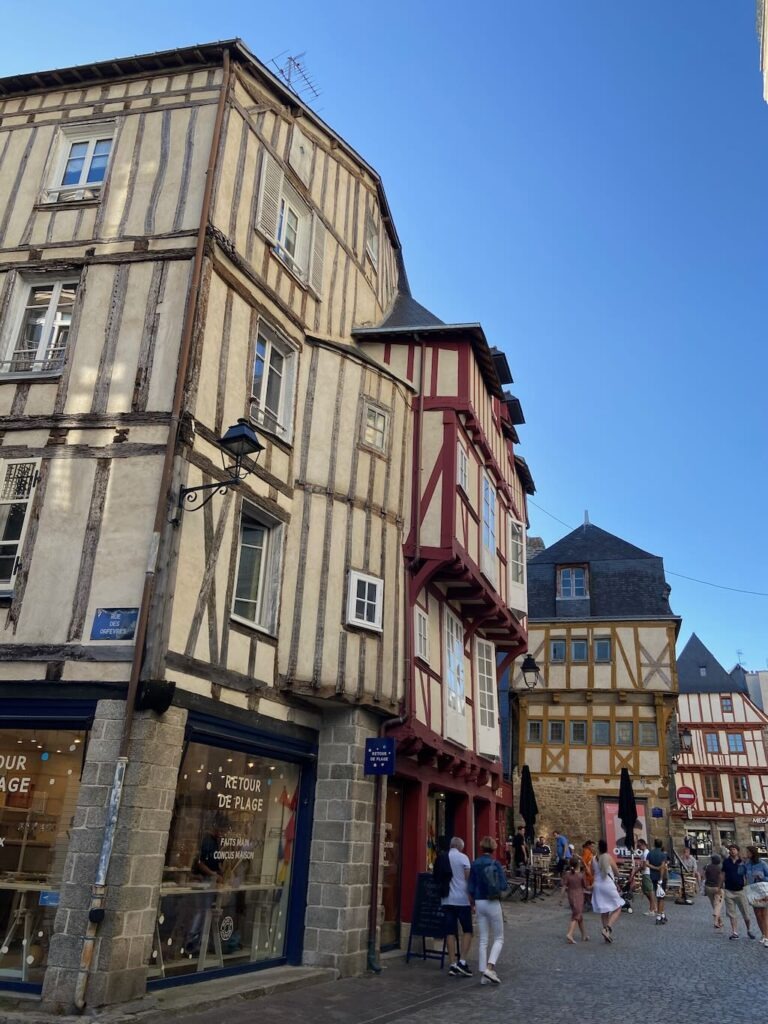
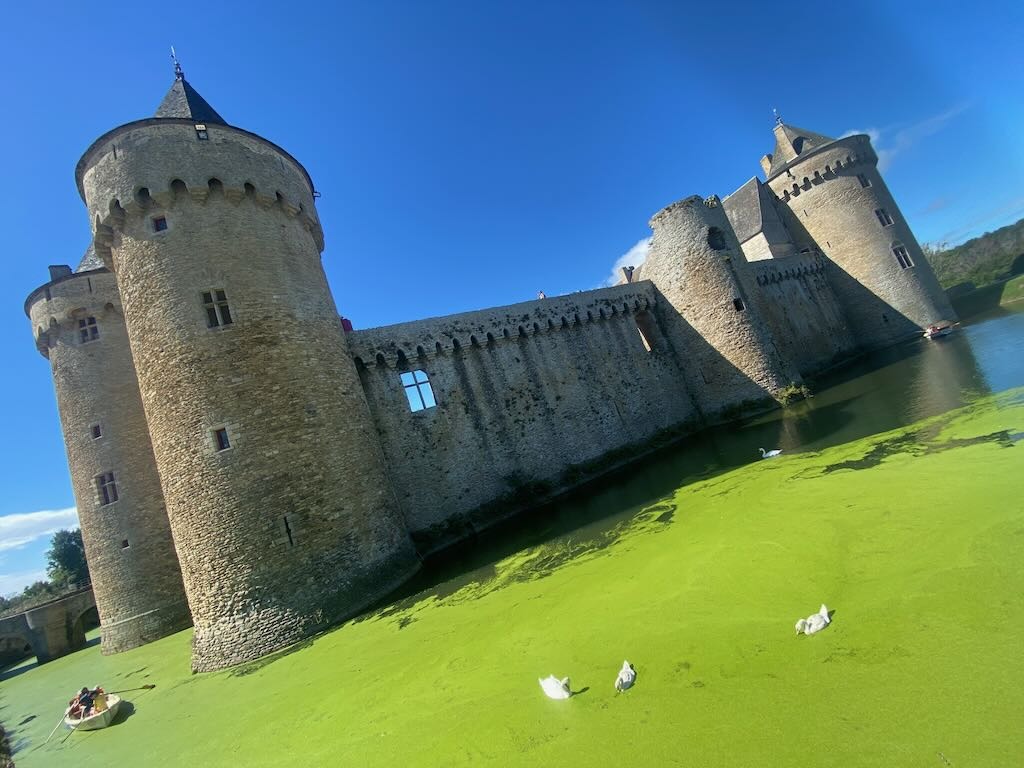
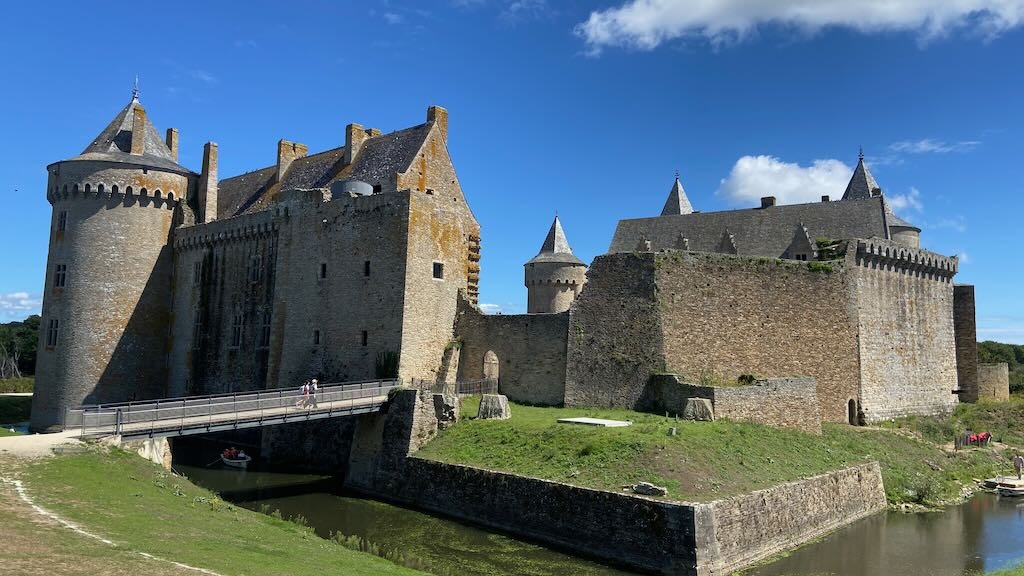
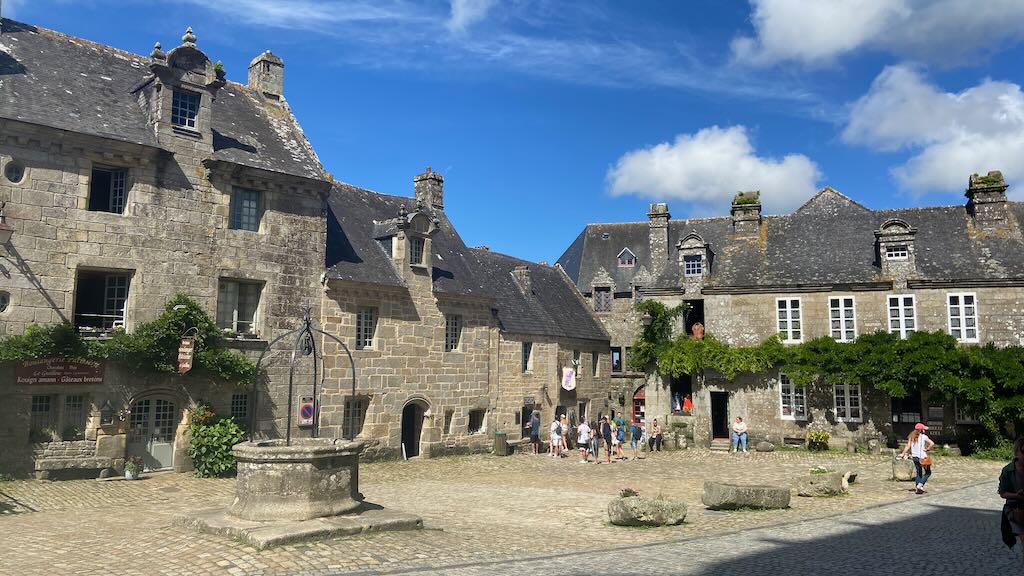
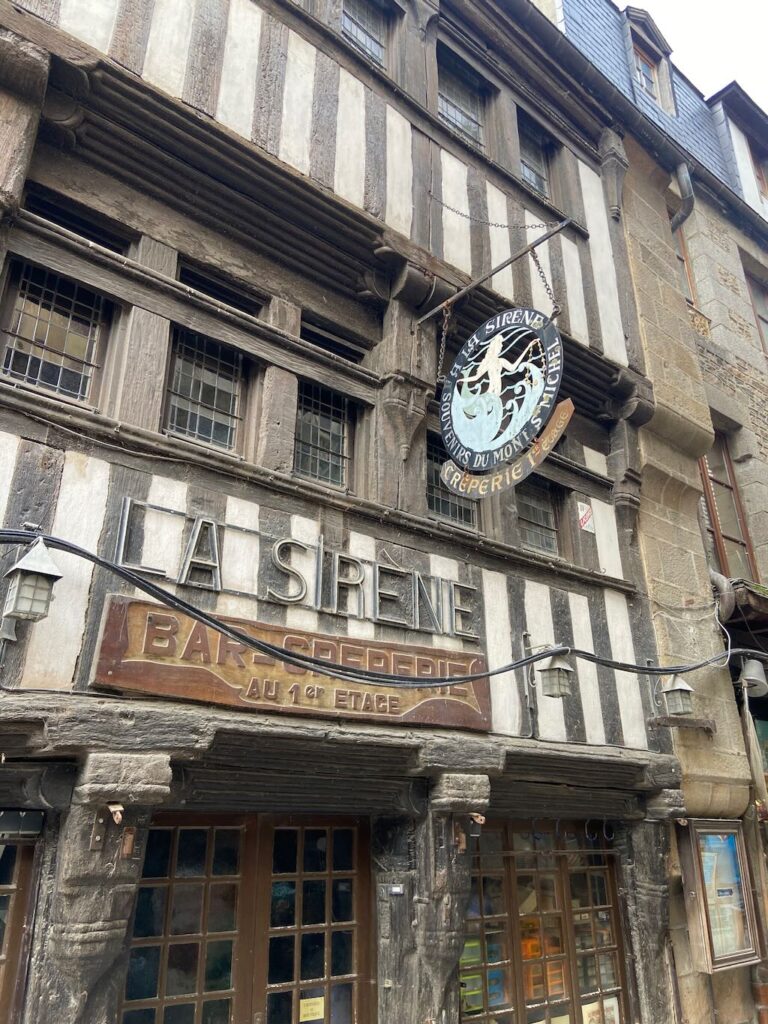
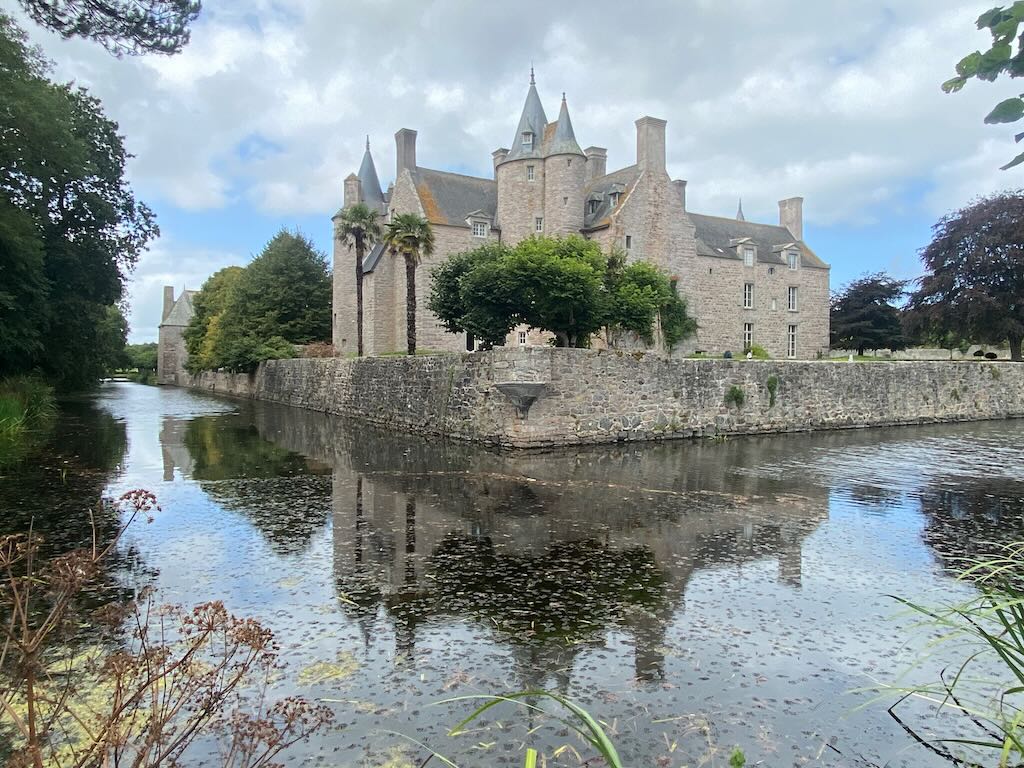
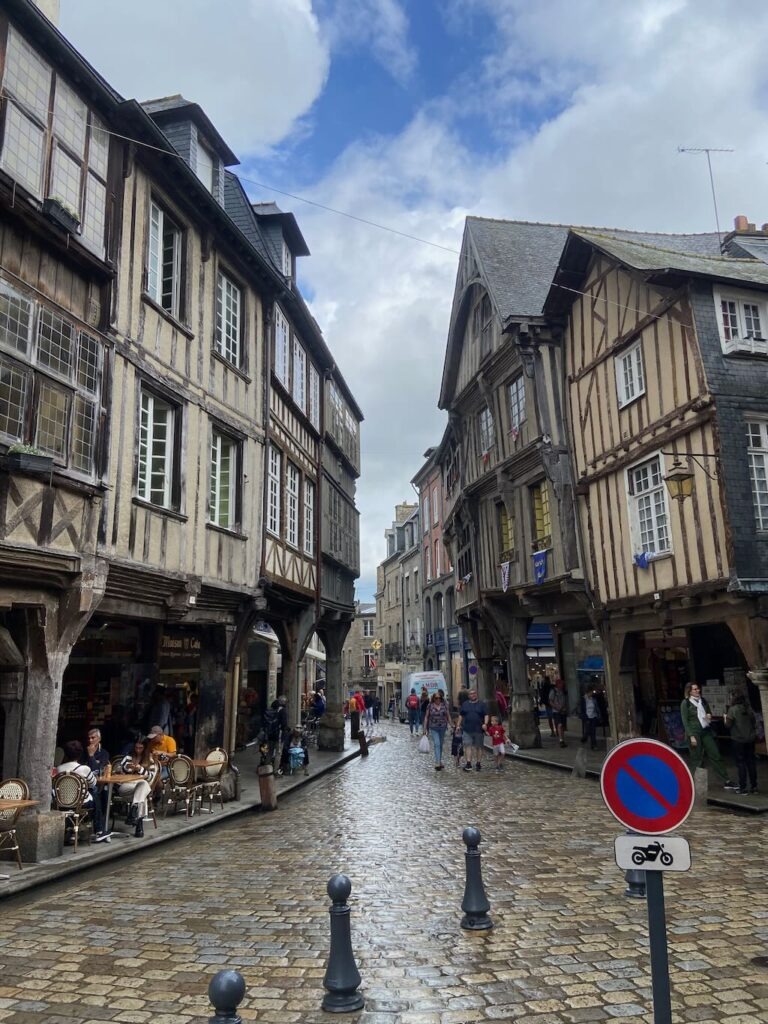
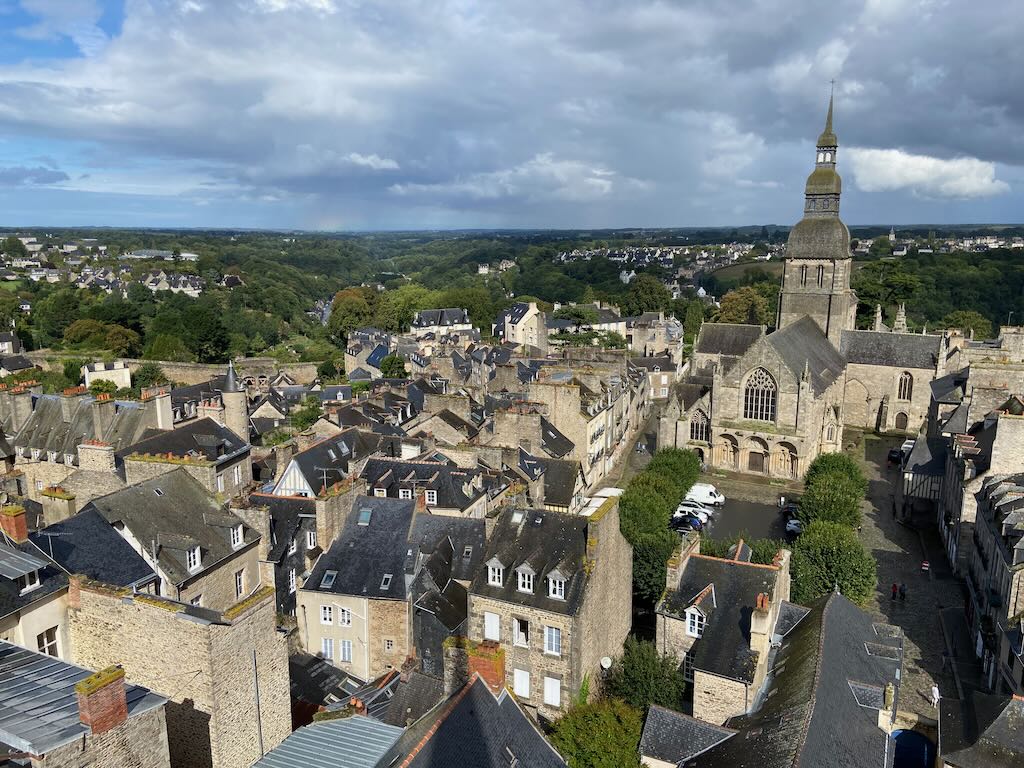
It has to be said that moving away from the coast, the landscape becomes fairly monotonous, though the villages are interesting from a historical standpoint. They have beautiful gothic cathedrals and churches, half-timbered houses, horses and cows, and plenty of countryside — practically flat (the highest peak reaches only 384m) — dotted here and there with beautiful châteaux. There’s no shortage of archaeological sites with dolmens and menhirs; but the ocean and coastline are truly the standout.